Buying guides · 10 min read
Used Electric Golf Buggy for Sale: What to Check Before You Buy
Looking at a used electric golf buggy for sale? Use our checklist for battery, motor and fold checks, compare against new prices from $636 and enquire.
By the Buggies For Sale team · Updated
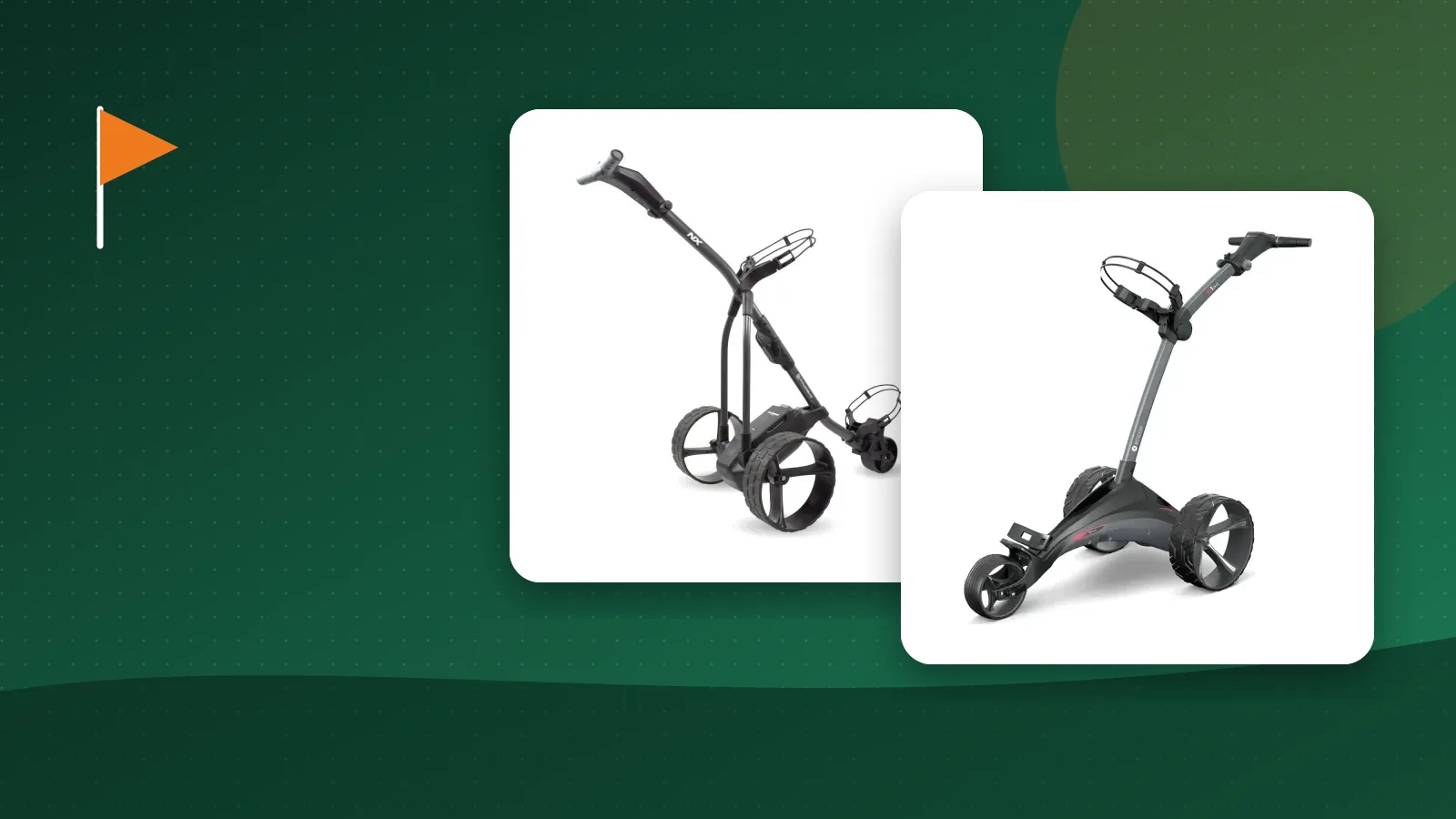
A used electric golf buggy for sale can look like a bargain, and sometimes it is. But an electric golf buggy is a machine with a battery, a motor, a controller and a folding frame, and any of those can be tired, damaged or about to fail. This guide gives you a practical checklist for inspecting a used electric golf buggy, explains how to judge the battery, compares second-hand prices against buying new and shows when a new buggy is the smarter purchase.
Prices are in Australian dollars including GST and are taken from our product pages. We do not claim to have used stock listed on this page; the advice here is for buyers who are weighing a private or second-hand purchase against a new one. Our used golf carts page lists any used ride-on carts we have.
What counts as an electric golf buggy?
In Australia, an electric golf buggy usually means an electric golf trolley: a folding, battery-powered carrier that follows or is steered with a handle or a remote, and carries your bag around the course. It is different from a ride-on golf cart, which seats people. Our electric golf buggies category covers the trolley type, and our golf carts pages cover ride-on carts. This article is about trolleys, though many of the battery checks also apply to carts.
Why buy used?
The main reason is price. Used buggies usually sell for less than new ones, and a well-kept buggy from a careful owner can give years of service. The risk is that you cannot easily know how the buggy was used, stored and charged. Batteries are the biggest risk because they wear out with age and use, and replacement can cost a large part of what you saved.
The battery: the biggest question
Ask the seller how old the battery is, what type it is and how many holes of golf it lasts on one charge. A lead-acid battery in a trolley may be several years old and weak, while a lithium battery tends to hold its capacity longer, though not forever. Ask to see the buggy running on a charge, and if possible take it for a short push. A battery that drops quickly, takes a very long time to charge or fails to hold a charge overnight is a warning sign.
Replacement batteries exist for many models. In our range, the MGI Lithium 12V 20Ah battery is $489 and the MGI Lithium 12V 299Wh battery is $538, both matched to MGI buggies. Check our lithium batteries page, and remember that a replacement battery can be a third or more of the cost of a new buggy.
The motor and controller
Run the buggy on a flat surface at several speed settings. It should accelerate smoothly, hold its speed and stop when you release the control. Grinding noises, jerking, a burning smell or a motor that gets very hot are signs of trouble. Test the remote control if there is one, including its range and how it handles stopping. Check that any wheel sensors, hill-hold features or distance modes work as described.
The frame, wheels and fold
Fold and unfold the buggy several times. The latches should lock firmly, the frame should not wobble and nothing should bind. Look for cracks, bends and repaired welds. Spin each wheel and check for play in the axle, damaged tyres and worn bearings. Check the handle and the bag bracket, and look at the paint or coating for rust that could mean damp storage. Make sure the folded size fits your car.
The charger and accessories
A buggy without its original charger is a red flag, because a mismatched charger can damage a battery. Check that the charger works, that the plug and lead are intact and that you are given every accessory that belongs with the buggy: bag straps, a umbrella holder, a cooler bag and any covers. Our golf cart chargers and conversion kits page lists replacement chargers for some models, though not for every brand.
Documents and history
Ask for the receipt, the original purchase date and any service records. Check whether the buggy has had repairs, and ask why the owner is selling. Be wary of a seller who will not answer or who offers to sell without letting you test it. Warranty usually does not transfer to a second owner, so assume you are on your own once you pay. If you buy privately, you also do not have the same protections as when you buy from a business, so read what the ACCC says about consumer guarantees and understand how they apply.
What new buggies cost
A new buggy gives you a fresh battery, a known specification and a seller to contact. In our range, the Thomson E5000 Pro Lithium Electric Golf Buggy is $636 and weighs 12 kg. The PowerBug NX Lithium is $861.60, weighs 9.5 kg and runs on 28V. The Motocaddy S1 DHC is $1,176, and the MGI Zip X1 is $1,273.

When you compare, remember that a used buggy at, say, half of a new price that needs a new battery is no longer cheaper. For buggies in the $600 to $900 range, a new buggy is often competitive once you add the cost of fixing a used one.
Used or new: a simple rule
Buy used when you can inspect and test the buggy, the battery is in good condition, the charger is included and the price reflects its age. Buy new when you want a warranty, a known battery and no guesswork. If the used price is more than about two thirds of a new buggy, the new one is usually the better choice. That is a rule of thumb, not a guarantee, and your own budget and needs decide it.
Questions to ask the seller
Before you travel to see a buggy, send a short list of questions. What is the make and model, and how old is it? How old is the battery and what type is it? How far does it go on one charge in real play? Has it been repaired, and with which parts? Is the original charger included? Why are you selling? Can I test it on a flat surface and fold it a few times? Honest sellers answer these quickly. If the answers are vague, or the price drops suddenly when you ask about the battery, walk away.
Spotting a bad deal
Be cautious about a price that is far below similar listings, a seller who wants payment before you inspect the buggy and a listing with no clear photos of the battery, charger and label. Do not pay a deposit to a stranger for an item you have not seen. If the buggy must be shipped, check that you can inspect it on arrival and understand what happens if it is not as described. Using a payment method that gives you no protection, with a seller you cannot verify, is the biggest risk in any second-hand purchase.
What to budget beyond the price
Allow for a new battery if the old one is weak, a replacement charger if it is missing and small parts such as wheels, straps and a cover. Allow for a service or inspection by a repairer if you are unsure. If the buggy is an older model, ask whether parts are still available, because a discontinued model can be hard to fix. Add these extras to the used price before you compare it with a new buggy, and the picture is often clearer.
Why condition matters more than age
A three-year-old buggy that has been charged properly, wiped down after wet rounds and stored indoors can be in better shape than a one-year-old buggy that was left flat in a hot boot. Look for signs of care: a clean frame, intact labels, tidy cables and a battery that is not swollen or corroded. These details tell you more than the year on the listing, and they help you decide whether to bargain or walk away.
Safety and transport
Handle lithium and lead-acid batteries with care. Do not charge a damaged or swollen battery, keep it away from heat and never leave it charging unattended for long periods. If the buggy has been stored for a long time, charge it slowly and check the battery before use. When transporting, secure the buggy so it cannot roll or tip, and remove the battery if the maker recommends it.
Selling your own buggy
If you are selling an old buggy to upgrade, a few steps help you get a fair price. Clean it, charge it fully, photograph the whole buggy and its accessories and be honest about the battery age and any faults. A clear description and a test run reduce arguments later. If the battery is poor, say so and price accordingly.
Buying new from us
We confirm stock and freight to your postcode before you pay. Orders over $1,000 ship free to major metro and depot corridors, and a flat $95 freight charge applies below that. The minimum order is $250. You can pay by bank transfer (Osko or EFT), PayID or crypto, and choosing crypto at checkout gives a 10% discount automatically. Call +61420128746 if you want help comparing a used buggy with a new one.
Bottom line
A used electric golf buggy for sale can be good value if you test the battery, motor, fold and charger and the price is right. If the battery is weak or the history is unclear, a new buggy from $636 is often the safer purchase. Browse the full electric golf buggies range to compare.


