Buying guides · 8 min read
Electric Buggy Guide: What They Are and Which Type Suits You
An electric buggy can mean a golf buggy, an off-road utility buggy or a kids ride-on. Here is how each type works, what it costs to run and how to choose.
By the Buggies For Sale team · Updated
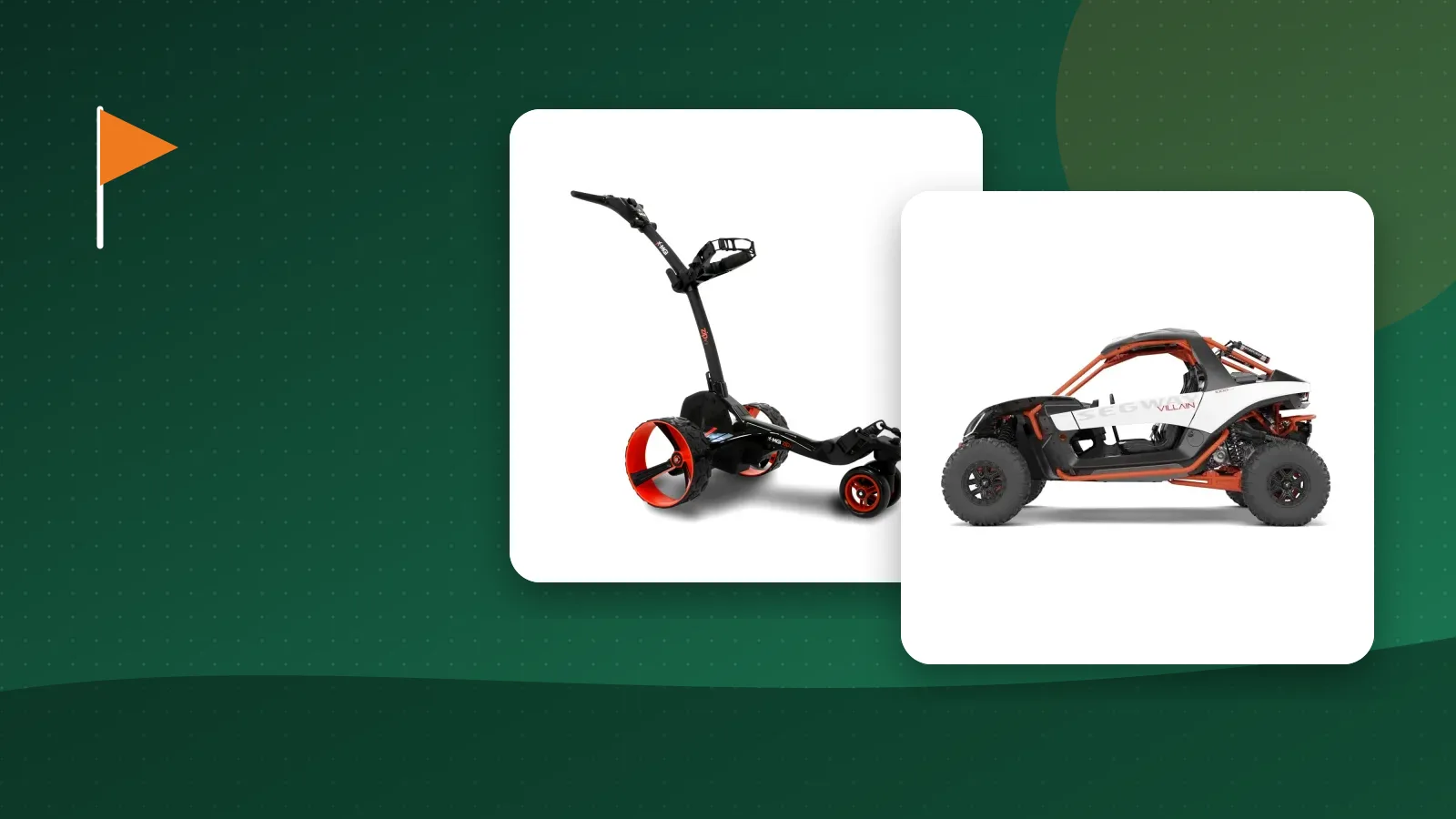
Search for an electric buggy and you will find very different vehicles: lightweight golf buggies that carry your clubs, utility buggies that work on farms and estates, and kids ride-on buggies. They share one idea, a battery and an electric motor instead of a petrol engine, but the right choice depends on what you want to do with it. This guide sorts the main types and explains what to check before you buy.
The three kinds of electric buggy
### Electric golf buggies
These are walking aids for golfers. A motorised trolley, push-pull buggy with a motor, or remote control buggy carries your bag so you can walk the course without the weight. Most use a lithium battery, fold small for the boot and are priced from a few hundred to a few thousand dollars. See our electric golf buggies and remote control golf buggies.
### Electric utility and off-road buggies
These are small side-by-sides and utility vehicles for farms, estates, resorts and recreation. They carry people and gear, run quietly and have fewer moving parts than a petrol vehicle. Our electric off-road buggies and UTVs page lists current options.

### Kids electric buggies
Licensed ride-on buggies and electric quads are a popular gift and a first step into off-road driving. They have lower voltage motors, speed controls and age guidance. Browse kids buggies.
Why choose electric?
- Quiet running: useful on estates, near neighbours and on golf courses where noise matters.
- Low running cost: electricity usually costs less than fuel, and there is no oil, spark plug or carburettor to service.
- Instant torque: electric motors deliver strong pull from a standstill.
- Simple to use: no pull cords, chokes or fuel mixing.
What to check before buying
### Battery type and size
Lithium batteries are lighter, charge faster and keep stable power through the discharge curve. Lead-acid batteries cost less up front but are heavier and need more care. Compare capacity (amp-hours or watt-hours) with the distance or run time you need. If you want the background on lithium chemistry, the LiFePO4 battery article is a good primer. Our own guide to lithium vs lead-acid batteries explains the trade-offs for carts and buggies.
### Range and charging
Manufacturer range figures are measured under set conditions. Hills, loads, wind and soft ground reduce real range. Ask how long a full charge takes and whether you need a special charger or power point.
### Weight and storage
Golf buggies need to fit your boot when folded. Utility buggies need space in a shed and a safe place to charge. Check dimensions against your storage.
### Support and parts
Batteries, chargers and tyres eventually wear out. Choose a brand that has parts in Australia. We stock chargers and conversion kits and lithium batteries for popular buggies and carts.
Which electric buggy should you buy?
- You play golf and want to walk: a lightweight electric golf buggy, such as the one below.

- You manage a farm, estate or resort: a utility cart or electric UTV. Check seating, load capacity and tyres for your surface.
- You want something for the kids: a licensed ride-on, and check the voltage and age range.

Charging safely
Charge with the charger supplied, on a hard surface away from flammable material. Do not cover the battery while it charges and do not leave it on charge for days. If a battery swells, smells or gets very hot, stop using it and contact the supplier.
Delivery, payment and minimum order
All prices include GST. Delivery is free over $1,000 and $95 flat below that. The minimum order is $500. You can pay by bank transfer (Osko or EFT), PayID, or Bitcoin or USDT with an extra 10% off, applied automatically at checkout.
Understanding battery and motor specifications
Electric buggies use three numbers worth understanding. Voltage describes the system, such as 12V, 24V or 48V. Capacity, shown in amp-hours (Ah) or watt-hours (Wh), tells you how much energy the battery holds. Motor power, in watts or kilowatts, indicates how hard the buggy can work. A larger battery gives more range, a more powerful motor gives more climbing and towing ability, and a higher voltage reduces current for the same power. When two buggies look similar, compare these three numbers first.
Range in real life
Manufacturers publish range under test conditions. In real use, range falls with hills, heavy loads, rough ground, high speed, wind and cold. A sensible approach is to plan for about two thirds of the stated range on mixed terrain, and to carry a charger if you go far from a power point. If you drive the same route every day, test it once and note how much charge you use.
Charging at home or on the property
Most electric buggies charge from a standard power point. Fit a charging spot where the buggy parks, with a dry floor and good ventilation. Use a timer or smart plug if you want to charge at off-peak times. Do not run extension leads across wet ground or leave chargers exposed to rain. Check that your power supply is suitable for the charger and does not overload the circuit.
Electric buggies on farms, estates and resorts
Quiet running makes electric buggies attractive where noise matters, such as accommodation, golf courses and wineries. For farms, think about load, towing and weather resistance. Many electric utility vehicles are rated for a certain payload and have a cargo tray. Choose tyres for your ground and check ground clearance on rough tracks. Ask about the service network in your region.
Electric buggies for families
Kids electric ride-ons are popular, and the best ones include speed limiters and seat belts. Pair them with a helmet and open space away from roads, pools and steps. A parental remote control is a useful feature for younger children. Teach children to charge safely and to turn the buggy off when it is not in use.
Running costs and servicing
Electric buggies have fewer moving parts. Typical servicing includes checking brakes, tyres, steering and electrical connections. The biggest long-term cost is battery replacement, so look at warranty terms and cycle life. Keep the battery in good condition by avoiding deep discharges and extreme heat.
Resale and parts
Brands with parts and support in Australia tend to hold their value. Ask whether replacement batteries, chargers and controllers are available. Keep your invoice, serial number and maintenance records, which help with warranty claims and resale.
Choosing the right size and layout
Think about seating, load, turning circle and storage. A narrow buggy suits tight paths, while a wider one is more stable on slopes. Check the dimensions against gates, doors and trailers. If you transport the buggy, read our guide to trailering a golf cart for loading and strapping tips. For the cart side of the market, see our electric golf carts.
Checklist before you pay
- Confirm the voltage, battery capacity and motor power.
- Ask the real-world range and the charge time.
- Check the warranty on the battery, motor and controller.
- Ask about spare parts and service support in Australia.
- Confirm delivery, assembly and what is included in the box.
Taking ten minutes to confirm these points prevents most disappointments. If anything is unclear, ask the seller for it in writing.
Common questions from first-time buyers
New buyers often ask whether an electric buggy can handle hills, how it copes in the rain and how long the battery lasts. Most can climb moderate slopes if the motor and gearing are suited to them, and most are fine in light rain when the electrics are sealed, though you should avoid deep water. Battery life depends on use and care, with lithium usually outlasting lead-acid. Ask the seller for the manufacturer's guidance on each point, and check the warranty. If you have a particular use in mind, such as a steep driveway, ask for advice before you buy.
Making a short list
Write down your budget, the number of seats, the distance you travel and where the buggy will be stored. Choose three models and compare their battery capacity, motor power, warranty and price. Visit or call the supplier and ask about delivery and parts. Taking a structured approach avoids impulse decisions.
Finally, ask about the supplier's delivery process. A heavy electric buggy may need a tail-lift truck, a safe unloading area and someone to receive it. Clarify what happens if there is damage in transit, and take photos before you sign for the delivery.
Keep the manual, the charger and the receipt together in one place, and note the date of purchase. If you ever need warranty service, having these records ready makes the process quick and avoids disputes about when the buggy was bought.
Bottom line
The best electric buggy is the one that suits the job: a light motorised golf buggy for the course, a robust utility buggy for work, or a licensed ride-on for the kids. Tell us how you plan to use it and we will help you compare models. Call 0420 128 746.
