Buying guides · 11 min read
4x4 Farm Buggy Guide: Choosing a Farm Side-by-Side in Australia
Choosing a 4x4 farm buggy? Compare farm side-by-sides from $4,213 by engine, weight and use, and learn what to check. See the range and enquire today.
By the Buggies For Sale team · Updated
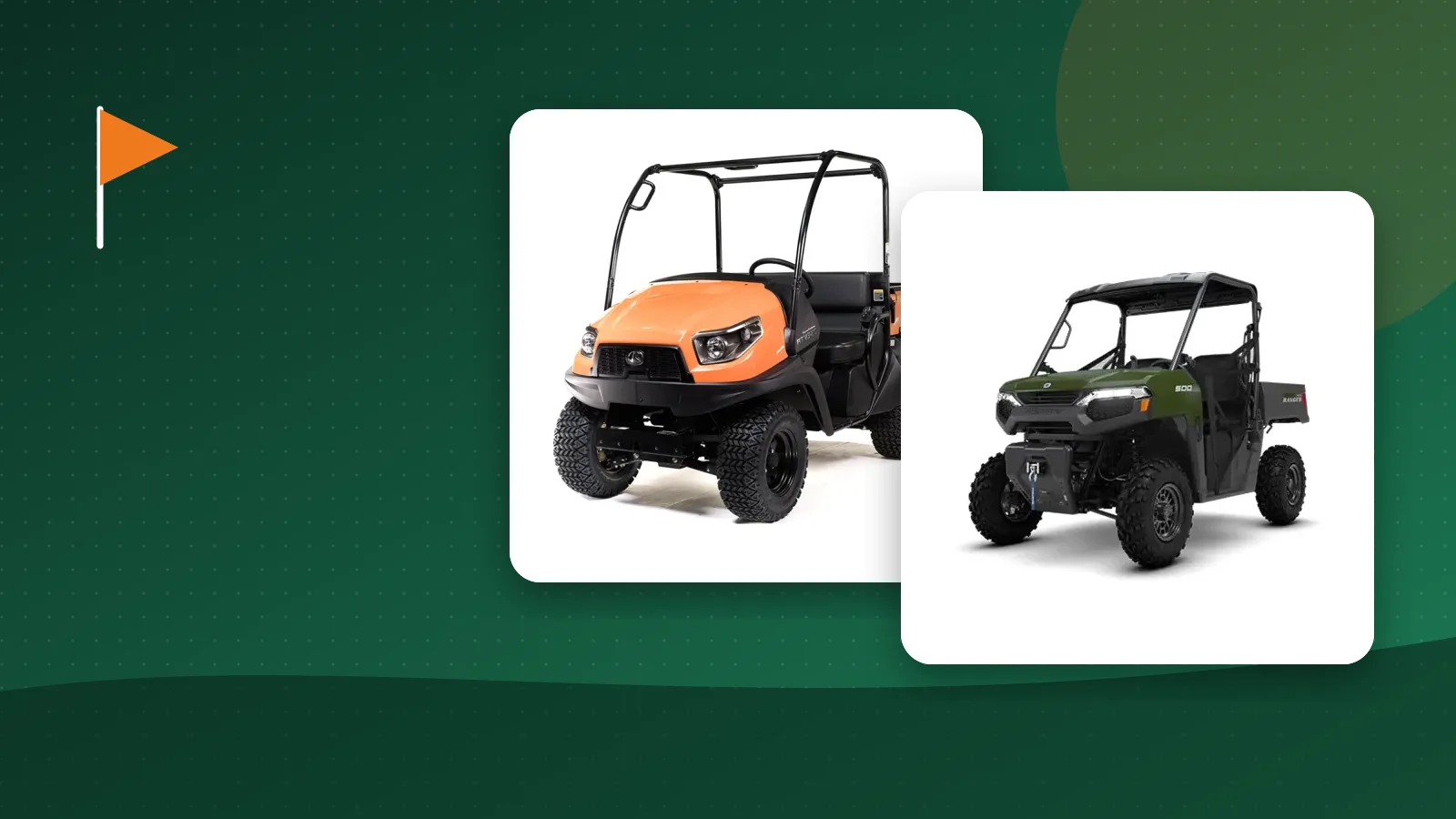
A 4x4 farm buggy is a small utility vehicle that does the job of a quad bike, a ute and sometimes a tractor, in tight spaces and on rough ground. It carries tools, feed, fencing gear and people, and it gets into places a full-size vehicle cannot. Choosing one is a bigger decision than buying a recreational buggy, because the machine has to work hard every week and keep working. This guide explains what to look for in a 4x4 farm buggy, compares the farm and utility models in our range and sets out the questions to ask before you pay.
Prices are in Australian dollars including GST and are taken from the product pages. Where a page does not list a feature such as the drive system, we do not state one, so confirm the details with us before ordering.
What is a farm buggy?
A farm buggy, usually called a side-by-side or UTV, is a compact vehicle with two or more seats beside each other, a steering wheel, pedals and a tray or cargo box. Unlike a quad bike, you sit inside a frame and usually wear a seat belt. Unlike a recreational dune buggy, a farm model is built for load carrying, towing and long working days. The general idea is covered in the utility vehicle article on Wikipedia.
Our side-by-sides and UTVs category lists all of them, and the wider off-road buggies range shows how they compare with go karts, quads and dune buggies.
4x4 versus 2WD
Four-wheel drive gives traction on wet grass, mud, loose gravel and slopes, and for most farm work it is the right choice. A two-wheel-drive machine is lighter and cheaper but will struggle when the ground is slippery or when you carry a load uphill. The word 4x4 in a search does not guarantee the drive system on any specific buggy, so check the product page. The Crossfire 600GT 4WD Utility Side by Side is listed as 4WD in its name, at $14,298.20, with 25-inch wheels. For other models, ask us to confirm the drivetrain before you commit.
The farm and utility models we list
The Crossfire 400GT 400cc EFI Farm Side by Side is $11,230.80 and is described as a farm side-by-side with a 400cc fuel-injected engine. The Crossfire 600GT steps up to $14,298.20. The Polaris Ranger 500 is $15,675.10 with a 567cc engine, and the Kubota RTV520 is $19,105.10, listed with a 514cc engine, a weight of 625 kg and a top speed of 40 km/h.

For lighter duties and a lower budget, the Kayo S150 Side by Side Buggy is $4,213 and the Hammerhead Mudhead SE is $3,429. These suit property tasks and recreation more than heavy daily work. You can also look at brand pages such as Polaris, Kubota and Hammerhead to see everything a maker lists.
Engine size and what it means
A bigger engine helps with towing, loads and climbing, but it is not the only measure. A 400cc fuel-injected engine on a light frame can feel strong, while a larger engine on a heavy machine may only match it. Fuel injection helps with cold starts and altitude changes, and it generally means less fiddling than a carburettor. Weight matters for traction and for ground damage: the Kubota RTV520 at 625 kg is a serious machine, and you need a trailer rated for it.
Payload, towing and the tray
Work out what you will actually carry. A few buckets and a roll of wire are very different from a load of feed bags or a spray tank. Look at the tray size, the rated payload and the towing rating on the product page, and where the page does not list them, ask us. Never exceed the rated loads, since overloading harms the brakes, the suspension and your safety. If you will carry a tank or tools every day, consider mounting points and a canopy or brushguard. Our side-by-side accessories include parts such as brushguards and bumpers for some Polaris models.
Safety on a working farm
Side-by-sides are safer than quad bikes in many ways because they have seats, belts and a roll structure, but they are still dangerous when misused. Wear a seat belt, keep arms and legs inside the frame, drive slowly on slopes and never carry more riders than there are seats. Children should not drive adult machines. For workplace use, follow your state regulator's guidance, such as SafeWork NSW, and check Product Safety Australia for recalls and safety information on your model.
Registration and where you can drive
A side-by-side sold for off-road use is not automatically legal on public roads. Rules differ by state and depend on the vehicle, and in some states conditional or farm registration may apply. Ask your state road authority before you buy if you plan to cross a public road, and confirm whether any land manager rules apply. Do not assume that a farm buggy can be driven on a road because it is used on farm land.
Servicing and parts
A farm machine earns money only when it is running. Ask who services the buggy in your state, how long parts take to arrive and whether the maker has a dealer network near you. A well-known brand with a local service network can be worth the extra cost. Basic maintenance is mostly oil, filters, belts, greasing and tyre checks, and the manual lists the intervals. Keep the machine clean, because dust, mud and crop residue hide problems and cause overheating.
Delivery and unloading
A side-by-side is large and heavy, so plan the delivery. You need a clear unloading spot, a ramp or a forklift if the freight company does not provide a tail-lift, and someone to receive it. We confirm freight to your postcode before you pay, so there are no surprises. Orders over $1,000 ship free to major metro and depot corridors, and rural delivery is quoted for your location. For moving a buggy between properties, see our trailers and tie-downs and winches and tow bars.
Electric farm buggies
If you want a quiet machine for short jobs around a house block or a horse property, the Crossfire E5 Electric UTV 2 Seater at $11,759 is listed as an electric two-seater. Electric utility vehicles run quietly and have low running costs, but range and charging matter on a working property, so ask about the battery before you choose. See our electric off-road UTVs page for the group.
Questions to ask before you pay
Ask for the drive system, payload, towing rating and warranty in writing. Ask what is included, what assembly is needed and what the service intervals are. Ask where the nearest service agent is and how parts are sourced. Ask about the delivery method and unloading, and who is responsible for damage in transit. These answers matter far more than a small difference in price.
Matching the buggy to the property
A small hobby farm or lifestyle block has different needs from a broadacre operation. On a few acres, a lighter machine such as the Kayo S150 or the Mudhead SE can carry tools, move feed and check fence lines at a sensible cost, and it is easy to store in a shed. On a larger working property with daily tasks, long distances and heavier loads, a more substantial machine such as the Crossfire 600GT, Polaris Ranger 500 or Kubota RTV520 makes more sense, because the higher purchase price is spread across hundreds of hours of use.
Terrain matters just as much as acreage. Steep, wet or boggy ground favours four-wheel drive, good tyres and a low centre of gravity, while flat, dry country is forgiving. If you work across both, buy for the worst conditions you will meet, not the average day.
Running costs for a farm buggy
Beyond the purchase price, a farm buggy costs fuel, oil, filters, tyres, servicing and insurance. Fuel-injected engines are generally easy to start and economical in everyday use, though real consumption depends on load and terrain. Keep a log of hours and services so you can plan maintenance, and budget for a set of tyres every few years depending on the ground. If the machine is used for business, speak to your accountant about how it is treated for tax, since that can change the effective cost of the purchase. We do not give tax advice, but it is a question worth asking before you decide.
A checklist for the day it arrives
When the machine is delivered, inspect it before you sign for it and note any damage on the paperwork. Check the tyres, the tray, the seat belts and the lights, then read the manual before the first start. Check the oil and coolant levels, fill the fuel, test the brakes in an open paddock and walk through the controls with everyone who will drive it. Set simple rules: belts on, no passengers beyond the seats, no children driving. A careful first hour sets habits that last for the life of the machine.
Ordering from us
You can pay by bank transfer (Osko or EFT), PayID or crypto, and a 10% discount is applied automatically if you choose crypto at checkout. The minimum order is $250. Call +61420128746 or use the contact page, and we will help you match a 4x4 farm buggy to your property and your budget.
Bottom line
The right 4x4 farm buggy is the one that carries your loads, tows what you need and can be serviced near you. Confirm the drive system, check payload and towing, budget for safety gear and transport, and compare the listed models on weight and engine size. When you are ready, browse the full side-by-sides range.


