Off-road guides · 8 min read
Beach Buggy for Sale AU: Types, Prices and Rules
Where to buy a beach buggy or dune buggy in Australia, what the different types cost, and the rules for sand driving, registration and safety gear.
By the Buggies For Sale team · Updated
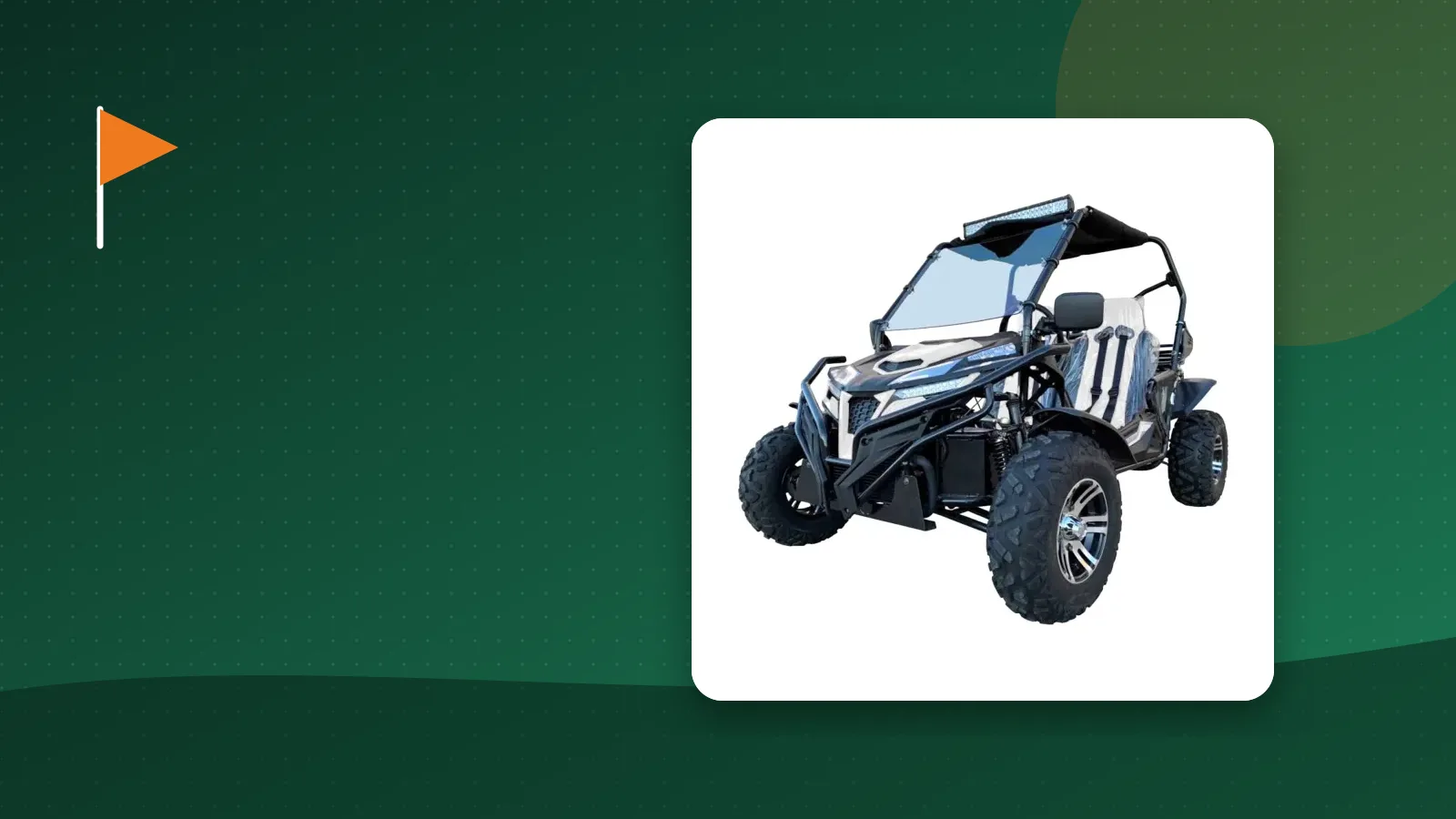
A beach buggy is a lightweight, open-framed vehicle made for sand, dunes and loose surfaces. If you are searching for a beach buggy for sale in Australia, you will find new dune buggies from dealers, used buggies and kit builds. This guide explains the types, what to check, how much to budget, and the rules to read before you take one near the water.
Beach buggy or dune buggy?
The two names are used interchangeably in Australia. A beach buggy is usually a lightweight buggy with a roll cage and wide tyres, designed to stay on top of sand. The classic design history is covered in the dune buggy article on Wikipedia. Modern buggies sold here are typically petrol, two-seat or four-seat vehicles with CVT automatic transmissions. See all dune buggies in our range.

What to look for
### Engine size
A 150 to 200cc engine suits young drivers, farm tracks and light sand. A 300cc engine gives more power for dunes and heavier loads. Match the engine to your terrain and driver experience.
### Seating
Choose two seats for flexibility or four seats if you regularly carry family. Seat belts, a roll cage and a secure harness are essential.
### Tyres and ground clearance
Wide, soft tyres give better flotation on sand. Higher ground clearance helps over dune crests and ruts.
### Cooling and sand protection
Sand gets into everything. A good air filter, sealed bearings and rinsing after each trip prolong life. We stock off-road parts including air filters and carburettors.
Driving on beaches in Australia
Beach access rules differ across states, councils and national parks. Some beaches allow 4WD vehicles with a permit, some ban all vehicles, and some restrict driving to certain times and tides. Rules usually apply to registered vehicles, and an unregistered buggy may not be allowed on a beach at all. Check with the relevant council or park authority before you plan a trip. A dune buggy is generally intended for private land and designated off-road areas.
Safety gear
- A properly fitted helmet and eye protection for every occupant.
- Closed footwear and gloves.
- Seat belts done up before you move.
- A flag whip on sand dunes so other drivers can see you, where the area requires it.
Buying new vs used
A new buggy has a warranty and known history. A used buggy can cost less but needs a check of the frame, welds, drivetrain and engine. Ask for service records and inspect the roll cage for damage. Our current listings include the Trailmaster Cheetah 175cc and the Trailmaster Challenger 200.
Delivery and payment
Prices include GST. We deliver Australia-wide, free over $1,000 and $95 flat below that. The minimum order is $500. You can pay by bank transfer (Osko or EFT), PayID, or Bitcoin or USDT with an extra 10% off, applied automatically at checkout.
Choosing the right size and layout
Beach buggies come in two-seat and four-seat versions. Two-seaters are lighter and more nimble, and four-seaters suit families who want everyone along. A wider track gives stability on sand, and a longer wheelbase smooths the ride. Look at the weight, because a lighter buggy floats better on soft sand. Check the dimensions against your trailer and garage.
Tyres and pressures
Sand driving is easier with lower tyre pressures, which widen the contact patch. Many beach drivers reduce pressure for soft sand and inflate again for hard surfaces. Use a pressure gauge and a portable compressor. Paddle-style rear tyres can improve traction on dunes, and smooth front tyres improve steering on sand. Ask the seller which tyres suit your usual terrain.
Cooling and airflow
Engines run hot in loose sand. Make sure vents and radiators are clear, and avoid long periods of high revs in deep sand. Stop to let the engine cool if it feels hot. Keep an eye on the temperature gauge if one is fitted. Dust and fine sand can clog cooling fins, so wash the engine area after each trip.
Tide, weather and safety planning
Plan a beach trip around tides, weather and local conditions. Soft sand near the water can bog a vehicle quickly, and an incoming tide can trap a buggy. Check forecasts, take a tow strap and a shovel, and tell someone where you are going. Take water, sunscreen and a first-aid kit. Keep a safe distance from swimmers, anglers and wildlife.
Environmental respect
Beaches and dunes are fragile. Stay on marked tracks and avoid vegetation. Do not drive through nesting areas and obey signs. Take rubbish home. Many councils and parks set limits on where vehicles can go, and breaches can lead to fines. Responsible driving helps keep access open for everyone.
Aftercare for salt and sand
Salt water causes corrosion, so wash the whole buggy with fresh water after every beach trip, including the underbody, brakes and suspension. Dry it, lubricate the moving parts and check bolts. Clean the air filter and inspect the CVT belt and clutch. Check wheel bearings for sand ingress. A little care after each trip prevents expensive repairs.
Accessories worth considering
- A flag whip for visibility on dunes where required.
- Harness or seat belt upgrades if the standard ones are basic.
- A spare tyre and repair kit.
- A storage box for tools and recovery gear.
- A sturdy trailer and loading ramps. Read our guide to trailering a golf cart for loading tips that also apply to buggies.
Where to look next
See our dune buggies and our Trailmaster brand page, and compare models in our guide to Trailmaster dune buggies.
Quick buying summary
Pick the engine size for your terrain, choose two or four seats for your passengers, and check tyres, cooling and safety equipment. Plan beach trips with tides and weather in mind, and confirm access rules with the local council or park authority. After every beach trip, wash the buggy with fresh water, dry it, and check the air filter and moving parts. Keep records of services and keep your receipt for warranty. If you are comparing models, our dune buggy range and our guide to Trailmaster dune buggies are good places to start.
Costs and running expenses
Budget for fuel, oil, filters, tyres and occasional repairs. Sand is hard on drive components, so expect to replace belts and bearings sooner than on a farm buggy. Include a trailer or a ute for transport, a recovery strap and a compressor. Protective gear for each rider is an additional cost. If you rent a storage space, include it. Plan for annual servicing, and ask the seller for a parts list and typical prices for wear items.
Insurance and licensing
Check whether your home or vehicle insurance covers an off-road buggy, and whether liability is included for passengers. Some insurers offer specific cover for recreational vehicles. If your buggy is not registered, it is generally not covered by compulsory third party insurance, so look at personal accident cover for riders. Ask your insurer in writing about what is and is not covered.
Driving technique on sand
Keep momentum in soft sand and avoid sudden braking or sharp turns. Use smooth throttle input. On dune crests, approach straight, never side-on, and slow down before the top so you can see what is on the other side. Keep your thumbs outside the steering wheel in case of kickback. Follow existing tracks to reduce environmental impact. If you get stuck, stop, let the engine idle, and dig around the tyres before trying again.
Cleaning checklist after the beach
1. Rinse the exterior with fresh water, including wheel arches, the underbody and the brakes.
2. Flush the radiator fins or cooling vents if fitted.
3. Remove and clean the air filter, and replace it if it is clogged.
4. Dry the vehicle and spray moving parts with a protective lubricant.
5. Check tyre pressures and inflate for road or trailer transport.
6. Check bolts and wheel nuts, and look for sand in the CVT housing.
7. Store the buggy dry and covered.
Choosing between a new and a used beach buggy
A new buggy offers a warranty, fresh parts and no hidden damage. A used buggy can save money, but sand and salt can hide corrosion and wear. Check the chassis for rust and cracks, the suspension for play, the engine for compression and smoke and the CVT for wear. Ask for service records and the reason for sale. If a used buggy has been built from a kit, ask who built it and what standards they followed. If you are not sure, bring a mechanic. Either way, compare the final cost including any repairs or upgrades.
Family-friendly tips
Take plenty of water, sun protection, hats and snacks. Check that children's helmets fit properly and that seat belts are adjusted for each rider. Plan short sessions, and take breaks in the shade. Keep to marked tracks and obey beach rules. Make sure everyone knows the plan and the signals for stopping.
Bottom line
A beach buggy is a great way to enjoy sand and bush tracks, but check beach access rules and use proper safety gear. For help choosing between 175cc, 200cc and 300cc models, call 0420 128 746 or read our off-road buggy guide.

