Brand guides · 7 min read
Trailmaster Dune Buggies: Cheetah and Challenger Models Compared
A plain comparison of Trailmaster dune buggies sold in Australia: engine sizes, seating, who each model suits and what to check before you buy.
By the Buggies For Sale team · Updated
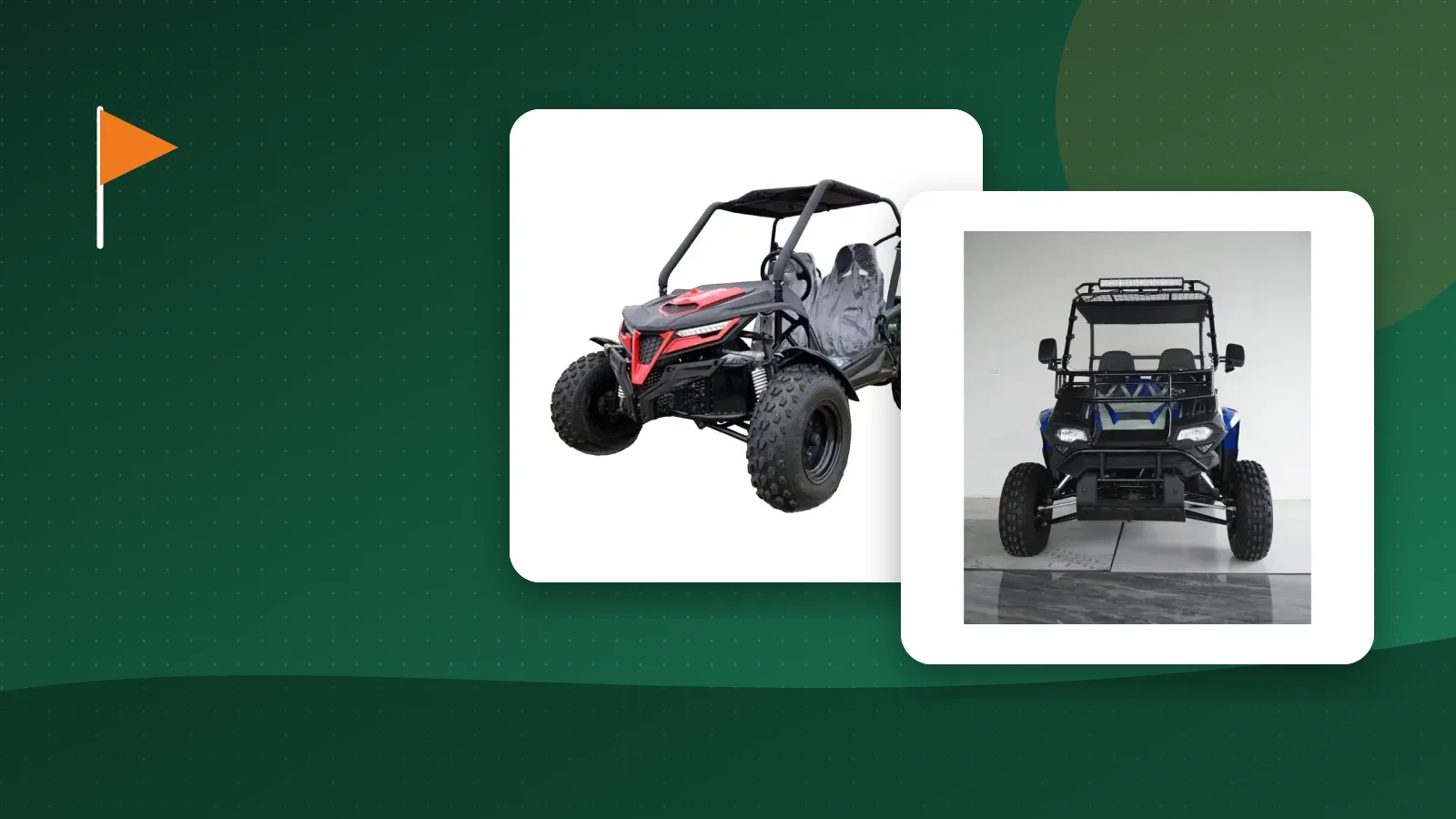
Trailmaster is a well-known brand of petrol dune buggies and off-road buggies sold in Australia. If you are comparing models, the differences come down to engine size, seating and frame design. This guide explains the Trailmaster range we list, who each model suits, and what to check before you order.
The Trailmaster range we list
### Trailmaster Cheetah 175cc
The Cheetah 175cc is the entry point to the dune buggy range. It suits farm tracks, backyard fun and light sand, and it is a sensible choice if you want an automatic buggy without the cost of a larger engine.

### Trailmaster Cheetah 300cc
The 300cc model has more power for hills, dunes and heavier loads. It is the one to choose if you will drive in sand or carry passengers regularly.

### Trailmaster Challenger 200
The Challenger 200 sits between the two, with a different frame layout and a focus on trail use. Compare its seating and cargo space with your needs.

You can see all of them on the Trailmaster brand page and in our dune buggies category.
How to choose between them
- Light use and budget: the 175cc Cheetah.
- Sand, hills and passengers: the 300cc Cheetah.
- Trail riding with a mid-size engine: the Challenger 200.
What to check before you order
- Assembly: ask how much assembly is needed and what tools you will need.
- Safety equipment: seat belts, roll cage and guards.
- Parts: air filters, belts and consumables. We stock an air filter for Trailmaster 175 to 300 buggies.
- Driver size and experience: choose a model that matches the driver.
- Where you will drive: private land and designated off-road areas, not public roads.
Maintenance basics
- Check and clean the air filter regularly, more often in sand and dust.
- Change engine oil as the manual specifies.
- Check the drive belt, brakes and tyre pressure before each outing.
- Wash off mud and salt, and lubricate moving parts after use.
For background on the buggy format, see the dune buggy overview. If you want to compare Trailmaster with other types, read our off-road buggy guide and beach buggy guide.
Delivery and payment
All prices include GST. Delivery is free over $1,000. The minimum order is $500. You can pay by bank transfer (Osko or EFT), PayID, or Bitcoin or USDT with an extra 10% off at checkout.
About the brand
Trailmaster is an off-road vehicle brand known for dune buggies, go karts and youth vehicles, and its models are popular for farm use and recreation. The buggies share a similar approach: a steel tube frame, a roll cage, a CVT automatic transmission and a single-cylinder petrol engine, scaled up from 150cc to 300cc. When comparing Trailmaster with other brands, look at frame construction, brake system, suspension travel and the warranty terms provided by the seller.
Cheetah versus Challenger
The Cheetah models are the classic dune buggy layout: low, wide and sporty. The Challenger has a different seating and frame design that focuses on trail use and, depending on the version, cargo or passenger space. Compare seating, cargo capacity, ground clearance and weight on each product page. If you are not sure, ask us for a side-by-side comparison for your intended use.
Assembly and set-up
Trailmaster buggies often arrive partly assembled, with the frame and engine fitted and parts such as wheels, seats and bumpers to attach. Set aside a day, have a good socket set and read the manual. Torque wheel nuts, check fluid levels, adjust the brakes and test the lights before the first drive. If you are not confident, ask a mechanic to check the buggy before use. Keep a record of the build for warranty purposes.
Running in and early maintenance
New engines benefit from a gentle running-in period. Avoid full throttle for the first hours, vary engine speed and let the engine warm up. Change the oil after the initial run-in period as the manual specifies. Check bolts and fasteners after the first few rides, because vibration can loosen them. Inspect the CVT belt and clutch for wear and clean the air filter regularly.
Upgrades and accessories
Popular upgrades include bigger tyres, bash plates, LED lights, harnesses, a roof or a flag whip. Make sure upgrades fit the buggy, keep weight in check and do not compromise safety. Our off-road parts range includes the Trailmaster air filter and other wear items.
Where you can drive
Use the buggy on private land, in designated off-road parks and where the land manager permits. Obtain permission and check local rules for noise and hours. Do not drive on public roads or beaches unless the vehicle is registered and permitted. Respect other users, wildlife and the environment.
Buying checklist
- Confirm the exact model, engine size and year.
- Ask what is included: seat belts, lights, roll cage and fuel tank.
- Confirm delivery and assembly requirements.
- Ask about warranty and parts supply.
- Check the return and support policy.
Compare and decide
See the full Trailmaster brand page and our dune buggies category. For wider comparisons read our off-road buggy guide and our beach buggy buying guide.
Frequently overlooked details
Before you buy, check fuel tank capacity, the type of fuel required, and whether the buggy has a reverse gear. Check the seat belt type and adjustability for different driver sizes, and ask about spare keys and a security option. Find out how the buggy is delivered, whether it needs a tail-lift truck or a forklift, and who will unload it. Ask whether the supplier can provide an assembly guide or video. These small details make the difference between a smooth first day and a frustrating one.
Day-one checklist
On the day your buggy arrives, check the box for damage and photograph anything unusual. Unpack and lay out the parts, then compare them against the parts list. Check the engine oil and fuel, and fill or top up as the manual says. Tighten all bolts, set tyre pressures and test the brakes. Check the throttle, steering and seat belt operation. Start the engine and let it warm up, then test at low speed in a safe area. Keep a log of the checks you did.
Insurance, storage and security
Ask your insurer about cover for an off-road buggy, especially if it will be used by family members or visitors. Store the buggy under cover and lock it away. A wheel clamp or chain through the frame deters theft, and a hidden tracker adds protection. Record the frame number and engine number and keep them with your invoice. Take photos of the buggy from all sides for your records.
Learning to drive a buggy
Start in an open paddock at low speed. Learn how the throttle, brake and steering respond. Practise stopping, turning and reversing. Gradually try gentle slopes. Keep both hands on the wheel, wear your seat belt and helmet, and never drive when tired. Teach other drivers the same way. If you drive on sand, read our guide to beach buggies for tips.
Frequently asked buyer questions
Buyers often ask whether a Trailmaster buggy is suitable for children, how fast it goes, and how much maintenance it needs. Check the age guidance and the limiter options on each model, because larger engines are intended for adults and older teens. Speed depends on the engine, gearing and terrain, and the manufacturer's figures are a guide. Maintenance is modest if you follow the schedule: oil and filter changes, air filter cleaning, belt checks and general inspection. If you are unsure about a particular use, call us on 0420 128 746.
Spare parts and consumables
Keep spare spark plugs, an air filter, a drive belt, tyre repair supplies and a basic toolkit. For regular riders, a spare brake pad set and cables are also wise. Order in advance of a trip, because courier delays can ruin a planned weekend. Our off-road parts category lists items such as the Trailmaster air filter and carburettors.
Storage and transport
Store the buggy in a dry, secure place. If you transport it, use a rated trailer and ramps and strap it at the frame. Check that the trailer can handle the weight and width, and cover the buggy for long trips. See our guide to trailering for loading and strapping advice that applies equally to buggies.
Making the final decision
Pick the model that matches your terrain, passengers and budget, confirm assembly and delivery, and make sure you have parts available. Ask for a written specification and confirm the warranty. If you are comparing with other buggies, use the same list of questions for each. When you are ready, call us or message us on WhatsApp.
If you plan to drive in groups, agree on signals, spacing and a meeting point before you set out. Carry a basic first aid kit, water and a phone, and let someone know your route and expected return time.
Bottom line
Pick the engine size to match the terrain and the driver, and check assembly and parts before you buy. If you want help choosing between the Cheetah and the Challenger, call 0420 128 746.