Off-road guides · 8 min read
Electric Go Karts in Australia: Options, Costs and What to Check
How electric go karts compare with petrol karts, what to look for in a battery, motor and frame, and where an electric go kart suits backyards, farms and tracks.
By the Buggies For Sale team · Updated
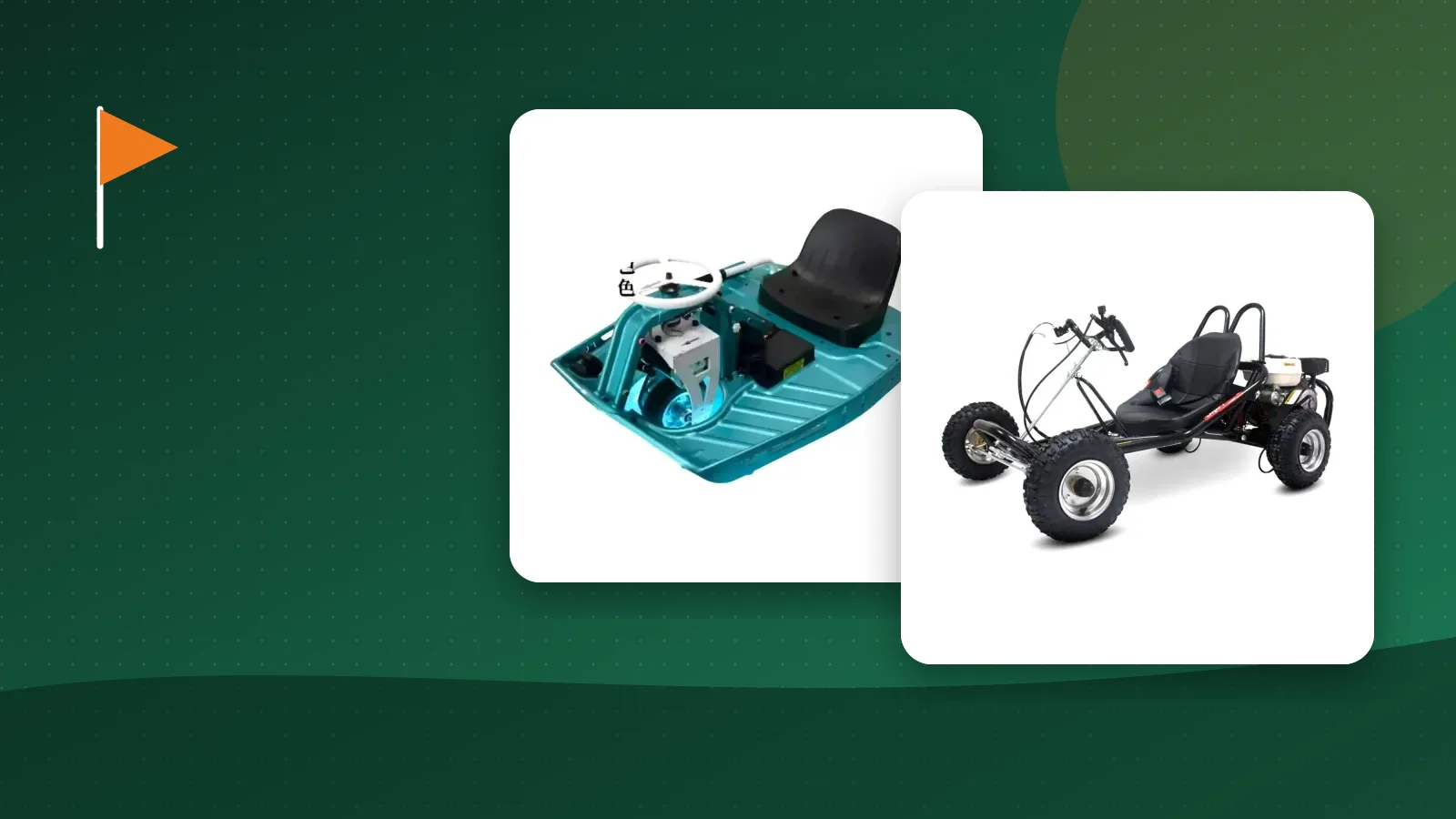
Electric go karts have moved from a novelty to a serious option for families, farms and small tracks. They are quieter than petrol karts, they need less day-to-day maintenance, and most of them are ready to drive after a charge. This guide explains how electric go karts work, what separates a good one from a disappointing one, and how to match a kart to the rider and the place you will use it.
What is an electric go kart?
A go kart is a small, open-wheel vehicle designed for recreation and racing on closed tracks and private land. An electric version swaps the petrol engine for a battery pack and an electric motor. You can read the general background on the format in the go-kart overview on Wikipedia. In practice the useful differences for a buyer are noise, running cost, servicing and how the power is delivered.
Electric motors deliver torque from a standstill, so electric karts feel quick off the line even when top speed is modest. There is no clutch, no fuel mixing and no pull-starting, which suits younger riders and anyone who wants to jump in and drive.
Electric vs petrol go karts
- Noise: electric karts are far quieter, which matters if you have neighbours or a property close to houses.
- Maintenance: no oil changes, spark plugs, carburettors or fuel filters. You still check tyres, brakes, chain or drive components and bolts.
- Range and run time: petrol karts refuel in a minute. Electric karts run until the battery is flat, then need a charge, so battery size and charger speed decide how long a session lasts.
- Power and speed: petrol karts usually offer higher top speeds and heavier-duty frames at the upper end. Electric karts are excellent for backyard, farm and youth use.
- Running cost: electricity costs less per hour than fuel, and there is less to service.
What to check when you buy
### Battery
Look at voltage and amp-hours, and whether the pack is lithium or lead-acid. Lithium packs are lighter and hold their performance better as they discharge. Ask about charge time and what the charger plugs into. A kart that takes eight hours to recharge is fine for weekend use but frustrating for repeated sessions.
### Motor and controller
Brushless motors are efficient and low maintenance. A speed-limiter or throttle limiter on the controller is valuable for younger riders because you can reduce top speed until they are confident.
### Frame, brakes and tyres
A welded steel frame with proper bracing, a disc or drum brake that is easy to adjust, and tyres matched to your surface will do more for safety than extra horsepower. Drift karts use hard, low-grip tyres on purpose, so check that the type suits where you will drive.
### Rider size and age
Check the manufacturer's recommended age, height and weight, and adjust the seat or pedals if the kart allows. Always supervise children and use a helmet and gloves. Our kids buggies range lists youth models with age guidance.
Where you can use an electric go kart
Go karts are for private land and closed tracks. They are not road vehicles, and they are not registered for public roads. Before you buy, check local council rules, any farm or property restrictions, and the requirements of the track or club where you want to drive. Safe Work Australia publishes safety guidance for off-road vehicles on rural properties, including quad bikes and similar vehicles, and the same principles of helmets, training and supervision apply.
Models to look at
The go karts range includes electric drift karts and petrol karts for different ages and budgets. Here is one example from the range.

If you want a petrol option for comparison, see the Kayo S125 go kart. For a larger electric utility vehicle rather than a kart, read our guide to electric buggies.
Charging and care
- Charge on a flat, dry surface away from flammable material, and do not leave a pack charging unattended for long periods.
- Store the kart with a partly charged battery if it will sit for weeks.
- Wash dirt off before it dries, then dry the electrics and check cables and connectors.
- Check brakes, steering and wheel nuts before every session.
Budget and delivery
Prices vary with battery size, frame quality and brand. All our prices include GST, delivery is free over $1,000 and a flat $95 applies below that. The minimum order is $500. You can pay by bank transfer (Osko or EFT), PayID, or Bitcoin or USDT with an extra 10% off at checkout.
Understanding the specifications
Product pages for electric karts can look like a wall of numbers. A few of them matter most. Voltage and amp-hours describe the battery: higher voltage generally means more power, and higher amp-hours mean more run time. Motor power is quoted in watts. A controller rating tells you the maximum current the system can supply. Top speed and payload limit describe the kart's design limits. Tyre size, wheelbase and ground clearance affect handling and the surfaces the kart suits. Read these together rather than focusing on one figure.
Drift karts and why they are popular
Drift karts use hard rear tyres so the back end slides under power. They are fun, accessible and safe when used in an open area with supervision. Because the tyres have low grip, they suit smooth, hard surfaces such as concrete, sealed yards and indoor tracks. They are less suited to grass or loose gravel. If you want a kart for off-road use, look for knobby tyres and more ground clearance.
Choosing a kart for a child
Look for a speed limiter, a seat that adjusts as the child grows, and a frame that protects the rider. Start slow, supervise and wear a helmet. A good first session happens in an open area with no obstacles and a clear boundary. Teach the child to stop, steer and keep their hands and feet inside the kart. As confidence grows, increase the speed setting. If a kart does not have a limiter, look for a model that does.
Adult karts and track days
Adults can choose larger electric karts with higher speeds and more powerful motors, and many clubs and tracks welcome electric karts. Check the track's requirements for helmets, race suits and insurance, and whether electric karts are accepted. Brake components and tyres wear faster in track use, so factor spare parts into your budget.
Storage, charging and security
Store a kart in a dry place and keep the battery partly charged when not in use. Charge at room temperature and avoid leaving the charger connected for days. Lock the kart away from children and unauthorised users, particularly if it has a key switch. Keep the manual and charger together in a labelled box.
Maintenance schedule
- Before each ride: check tyres, steering, brakes and wheel nuts, and make sure the battery is charged.
- Monthly: inspect wiring and connectors, tighten bolts and clean the kart.
- Every few months: check chain or belt tension, brake pads and bearings.
- Seasonally: check the battery health and store it properly if it will not be used.
Safety gear and rules
Wear a helmet, gloves, closed shoes and long sleeves. Do not drive on public roads. Keep spectators behind a barrier or at a safe distance. Safe Work Australia's guidance on off-road vehicles has principles that apply to any off-road driving: training, protective gear, supervision and risk assessment.
Where to go next
See our go karts for sale and kids buggies categories, and compare with our guides to electric buggies, kids ride-on buggies and off-road buggies. If you need help choosing between electric and petrol, call 0420 128 746.
Budgeting for the whole package
The price of the kart is only part of the cost. Add a helmet, gloves and suitable clothing, a spare battery or fast charger if you want longer sessions, and a way to transport the kart. Think about the space you will use it in, and whether you need barriers or cones. If the kart will be used by several children, factor in wear on tyres and brakes. Parts availability is worth checking before you buy. Our off-road parts include common wear items, and our team can help you work out what you need for your chosen model.
Finally, decide where the kart will live. A secure shed or garage keeps it clean and dry and protects the battery from extreme heat and cold. A simple cover and a regular wipe-down will keep it looking good and running well.
A note on noise and neighbours
Electric karts are quiet, but the sound of tyres and children's excitement still carries. Be considerate about hours and location, and let neighbours know. Quiet running makes electric karts suitable for suburban backyards where petrol karts would be a problem.
Bottom line
Choose an electric go kart if you value quiet running, low maintenance and easy starting, and match battery size and speed limits to the rider. Choose petrol if you need the longest sessions or the highest top speed. If you want help comparing models, call 0420 128 746 or message us on WhatsApp.

