Buying guides · 9 min read
Golf Buggy Insurance Australia: What to Ask Before You Buy
Golf buggy insurance Australia guide: what cover to ask your insurer about for carts, trolleys and buggies, what to record and how to prepare. Read first.
By the Buggies For Sale team · Updated
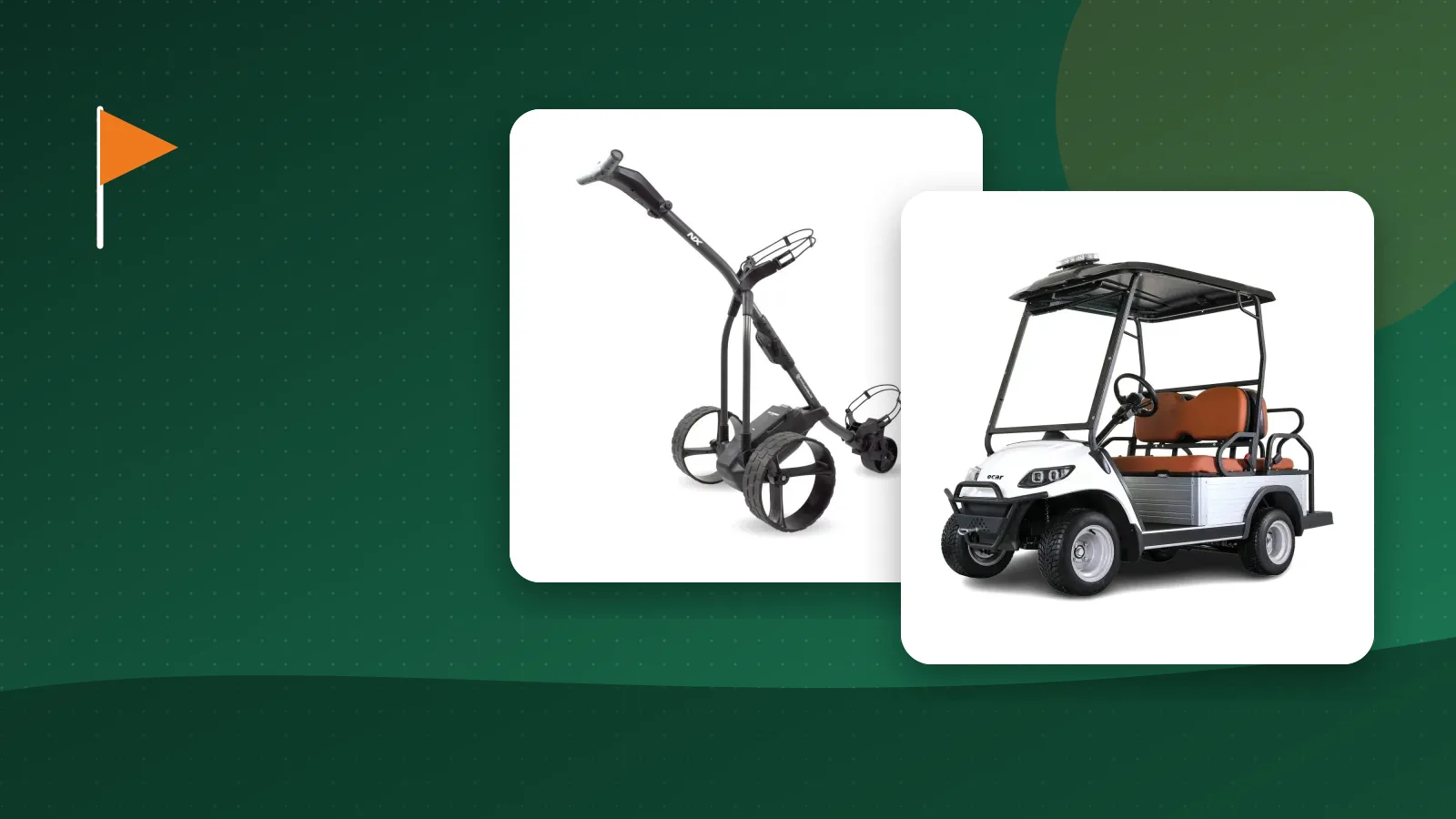
Buying a golf buggy or golf cart is only half the job. The other half is working out how it is covered if it is stolen, damaged or involved in an accident. Golf buggy insurance in Australia is not a single product, and what you need depends on what you bought, where you drive it and who else uses it. We are not insurers and we do not sell insurance or give financial advice, but we can explain the questions to ask, the details to have ready and the places where buyers commonly get caught out.
This guide is general information only. Policies differ, and your own insurer or broker is the right source for what is covered. Prices quoted for our products are in Australian dollars and include GST, and specifications come from the product pages.
What counts as a golf buggy for insurance?
The word buggy covers very different items. A push or pull trolley is a piece of sporting equipment, and it is often covered by a home and contents policy or by golf membership benefits, depending on the policy wording. A motorised caddy or remote-control buggy is more valuable and may need to be listed separately. A golf cart is a motor vehicle in the practical sense, with a seat, steering and a drivetrain, and insurers may treat it differently from sporting gear.
Our golf buggies range covers trolleys, electric buggies and remote-control models, while the golf carts range covers passenger carts for courses, estates, farms and resorts. Before you ask an insurer anything, be clear about which of these you own.
Questions to ask your insurer
Whoever you speak to, ask direct questions and write down the answers. Is the item covered at all under your current policy, and under which section? Does the policy cover theft, accidental damage, fire and storm? Is it covered at home, at the golf club, in a vehicle or while being transported? Does cover apply if the item is used on private land only, and does it change if you drive it on a public road, a path or a car park? Is there a sub-limit for single items, and does the policy pay replacement or market value?
Ask about liability as well. If someone is hurt while you are driving or if the buggy damages another person's property, you want to know whether a policy would respond and what it excludes. Liability cover for a motorised cart on a farm, estate or resort can be quite different from cover for a trolley on a fairway.
Carts used on a farm, estate or business site
If you buy a golf cart for a property or a business, ask whether your farm, commercial or public liability policy needs to list it. Insurers often treat the same cart differently depending on who drives it, whether passengers are carried and whether the cart is used for work. If employees or guests will drive it, tell the insurer. Workplace safety law also applies in business settings, and your state regulator publishes guidance on safe use of vehicles at work. See, for example, SafeWork NSW.
A cart used at a resort or caravan park to move guests is a different risk from a cart used by a single owner on a fenced property. Say so when you ask for cover.
What details to have ready
Insurers want specifics, so gather them before you call. Have the make, model, year, serial or chassis number, purchase price and purchase date. For carts, note whether it is electric or petrol, the battery type and any modifications such as lift kits, upgraded wheels, lights or a lithium battery conversion. Keep the tax invoice and photographs of the item from several angles, including any damage or wear at the time of purchase.
When you buy from us you will receive a record of your order. Ask for the product page details you relied on, such as the listed specification, so that you can quote them accurately. Our lithium golf cart batteries and golf cart accessories are worth noting too, because upgrades can change the value that needs to be insured.
Theft, storage and security
Insurers often ask how the item is stored. Keep a cart in a locked shed or garage where possible, remove the key and consider a wheel lock or ground anchor. Do not leave a motorised buggy outside overnight or unattended on a trailer. Chargers and batteries need safe storage too, because a charging fault is a fire risk. Follow the maker's charging instructions, use the supplied charger and avoid cheap substitutes.
New, used and refurbished carts
Newer carts have a clearer value, which makes cover easier to arrange. Used carts need a realistic value, so keep the sale record and photographs. Refurbished carts should have a record of the work done. Our used golf carts page lists second-hand models. The listings recommend that you confirm condition and battery health before buying, and that advice applies to insurance too, because a cart with a poor battery is worth less than one with a good battery.
Examples of items people ask about
For a sense of the values involved, an electric motorised golf buggy such as the PowerBug NX Lithium Electric Golf Buggy is listed at $861.60. A four-seat cart such as the ECAR Lithium IKON HD 4S is $12,730, and the Club Car Tempo 2+2 Lithium 4 Seat is $21,070. A used 2017 EZGO RXV 4 Seat is $11,750. These very different values mean very different insurance conversations.

Consumer rights are separate from insurance
Insurance covers loss and damage. It does not replace your consumer rights if a product is faulty. Australian Consumer Law gives you guarantees about acceptable quality and fitness for purpose, and the ACCC explains them on its consumer rights and guarantees page. If you have a problem with a product you bought from us, contact us first and we will work through it with you. Keep your order record and any photographs.
Comparing policies sensibly
Compare what is covered, what is excluded and what you would have to pay if something went wrong, not just the premium. Read the product disclosure statement for the exclusions that matter to you, such as use on public roads, use by an unlicensed driver or use for commercial purposes. If you are unsure, an independent source such as the government's MoneySmart website explains how insurance works, and a licensed broker can compare policies for you.
Safety reduces risk and cost
Good habits reduce claims. Keep to the maker's passenger limit, drive slowly on slopes and wet ground, keep children off the cart unless seated, and brief guests before you hand over the key. Service the brakes, steering and tyres regularly, and keep records. Our repairs and servicing page explains how to reach us for servicing questions.
Delivery, payment and next steps
Orders over $1,000 ship free to major metro and depot corridors, and a flat $95 applies below that. The minimum order is $250. We accept bank transfer (Osko or EFT), PayID and crypto, and a 10% discount is applied automatically if you choose crypto at checkout. We confirm stock and freight before you pay. Arrange your insurance as soon as the item is yours, and ask your insurer whether cover can start from the day of delivery.
What to do if something goes wrong
Even with good habits, accidents and thefts happen. If your buggy is stolen, report it to the police and note the report number, then contact your insurer promptly. If it is damaged in an accident, take photographs of the scene and the damage, collect the details of anyone involved or any witnesses and keep the vehicle in the condition it was in until the insurer says otherwise. Do not admit fault or promise payment, and keep every receipt for repairs, towing and storage.
Contact us as well if the problem could involve a fault with the product. We can help identify parts and arrange repairs, and a clear record from the maker or supplier can help your claim. Our repairs and servicing page explains how to reach us.
Keeping records that help a claim
A tidy file saves a lot of trouble. Keep the tax invoice, photographs, serial number, manuals, service records and a list of accessories and upgrades. Take new photographs after any significant upgrade. If you add a lithium battery or a lift kit, record the cost and date, because insurers may treat these as part of the insured value or as extra items that need to be declared. Store a digital copy somewhere other than the garage, so that a fire or theft does not take the records as well.
Golf clubs, estates and resorts
If you keep a cart at a golf club, ask the club about its rules for private carts, storage and liability. Some clubs require proof of insurance, a safety inspection or a signed agreement before a private cart can be used, and some have rules on who may drive. Estates and caravan parks may have their own rules too. Ask for these in writing and tell your insurer about any conditions that affect how and where the cart is used.
Bottom line
Golf buggy insurance in Australia depends on what you own, where you use it and who drives it, so treat it as a conversation with your insurer, not an afterthought. Know the item, keep the paperwork and ask the direct questions listed above. When you are ready to buy, browse the golf buggies range or the golf carts range, or call +61420128746.


