Buying guides · 9 min read
Electric Carts: A Guide to Electric Golf Carts in Australia
How electric golf carts work, how many seats you need, what a lithium battery changes and what to check before you buy an electric cart in Australia.
By the Buggies For Sale team · Updated
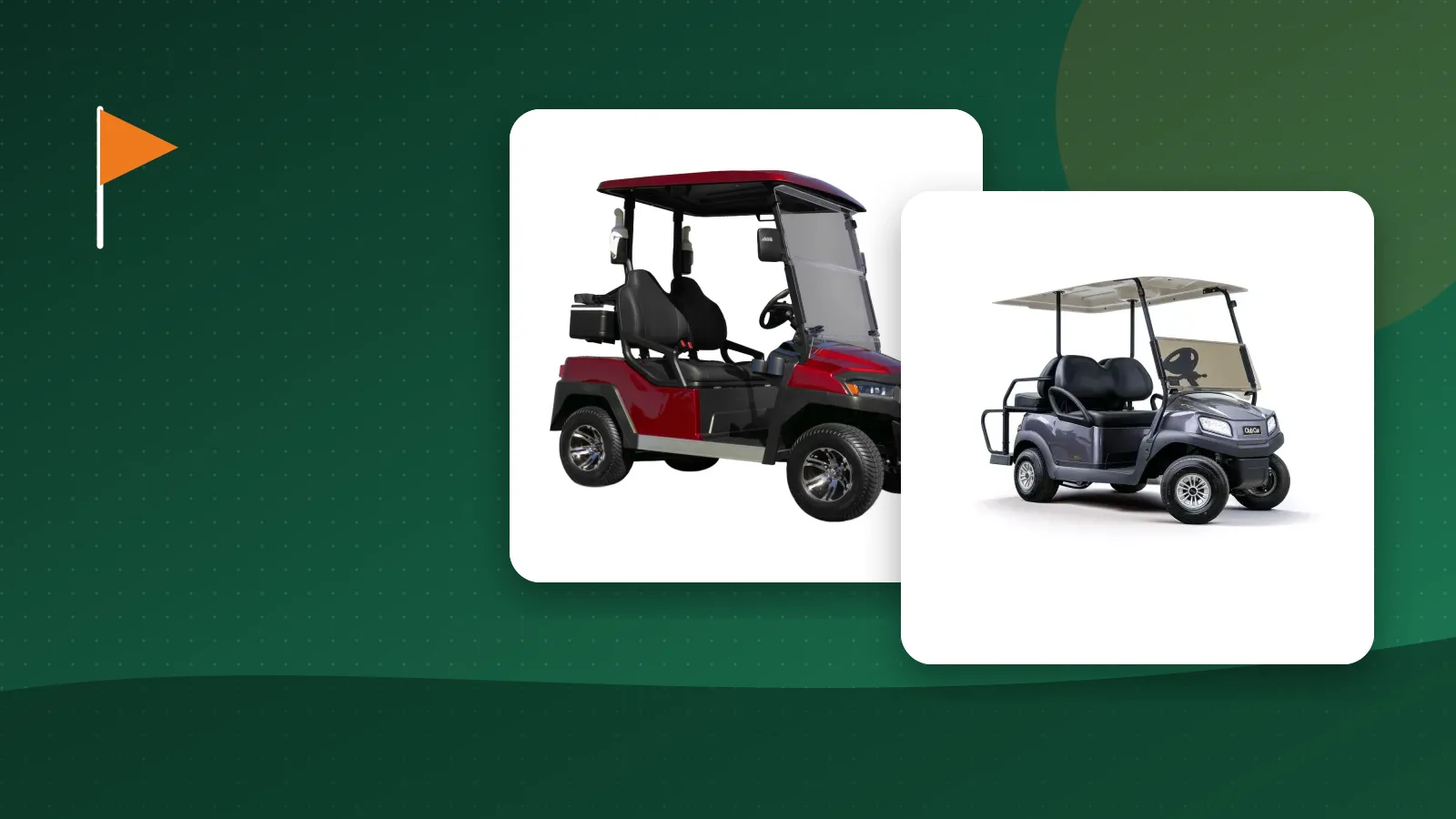
Electric carts have become the standard choice for golf courses, resorts, estates, caravan parks and properties. They are quiet, simple to drive and cheap to run compared with petrol vehicles, and most modern carts use lithium batteries that are lighter and need less maintenance than the lead-acid packs of the past. This guide explains how electric carts work, how to choose the right number of seats and battery, and what to check before you buy one in Australia.
How an electric golf cart works
An electric golf cart uses a battery pack, a controller and an electric motor. The battery stores energy, the controller manages how much power reaches the motor and the motor turns the wheels. You press the accelerator, the controller delivers power and the cart moves almost silently. There is no engine oil, no spark plugs and no exhaust, which is why electric carts need less routine servicing than petrol ones. The general background is covered in the golf cart article on Wikipedia.
Choosing the number of seats
Seat count is the first decision, because it sets the size, price and use of the cart.
- 2 seats: the classic golf course cart. Compact, easy to store and the lowest price. The ECAR Compass 2S is an example.
- 4 seats: a flexible choice for families, estates and small properties. The Club Car Tempo 2+2 Lithium is a four-seat option.
- 6 and 8 seats: for resorts, caravan parks and larger groups. The ECAR Lithium Magnum 8S is one of the larger carts we list.
- Utility versions: carts with a cargo bed instead of a rear seat for hauling tools and supplies. See our utility golf carts.

Lithium or lead-acid?
The battery changes weight, charging habits and long-term cost. Lithium batteries are lighter, charge faster and generally need no watering, while lead-acid batteries are heavier and need more maintenance. Many modern electric carts are sold with lithium packs, and many owners of older carts upgrade later. Our guide to lithium versus lead-acid batteries goes into detail, and our lithium battery packs page lists upgrade options for popular cart models.
Range and charging
Range depends on the battery capacity, the weight on board, the terrain and your driving. Check the stated range and consider how far you need to go on a typical day, then allow a margin. Charge the cart after use with the supplied charger, in a dry and ventilated place, and avoid leaving the battery fully discharged for long periods. If you will store the cart for weeks, follow the manufacturer's storage guidance.
New or used?
A new electric cart gives you the latest battery and a full warranty, and a used cart costs less but needs a closer check of the battery and service history. Our electric golf carts page lists new carts, and our used golf carts page and guide to 2nd hand golf carts help you compare used options. Our guide to how much a golf cart costs explains what drives price.

What to check before you buy
- Seats and layout: choose the seat count and any rear seat or cargo bed that suits your use.
- Battery type and warranty: confirm whether it is lithium or lead-acid, and what warranty applies to the battery.
- Range and terrain: match the range to your daily distance, with a margin.
- Accessories: check what is included, such as roof, windscreen, lights and seat belts. See our golf cart accessories for extras.
- Servicing and parts: ask who services the cart in Australia and how you get parts.
- Delivery: confirm freight cost and delivery method to your postcode.
- Rules: a standard golf cart is generally a private-property vehicle. See our guide to driving a golf cart on the road.
Running costs
Electric carts have lower running costs than petrol vehicles because electricity is usually cheaper than fuel and there is less routine servicing. The main long-term cost is battery replacement, which is why battery type and age matter. Look after the battery and it will last longer.
Buying an electric cart in Australia
We list electric carts in Australian dollars including GST and deliver Australia-wide, confirming freight to your postcode before you pay. If you are unsure about seats, batteries or accessories, call 0420 128 746 or message us on WhatsApp and tell us how and where you will use the cart. Our golf carts for sale page shows the full range.
Cart types by use
Electric carts are used in many places, and the best cart depends on the job. On a golf course, a two-seater is the standard. On an estate or in a caravan park, a four or six seater moves families and guests. In a resort, a six or eight seater and a shuttle layout carry groups. On a property or in a workshop, a utility cart with a cargo bed carries tools and supplies. Describing your use to a supplier helps them point you to the right model.
Weight, load and hills
Every cart has a load rating, which includes passengers and cargo. Exceeding it strains the motor and brakes and reduces range. Hills use more power than flat ground, and a heavy load on a hill uses much more. If your property is hilly, choose a cart with enough power and a battery with a margin, and use the brakes carefully on descents. Ask the supplier about the cart's performance on slopes before you buy.
Accessories and upgrades
Electric carts can be customised. Common additions include a roof and windscreen, lights, a horn, mirrors, seat belts, rain curtains, storage boxes, speakers and upgraded wheels. Some accessories add weight or draw power, so consider their effect on range. Our golf cart accessories page lists many of them, and our wheels and tyres page shows wheel options. Always check the fits line before you order.
Charging at home or on site
Most electric carts charge from a normal power outlet using an on-board or external charger. Plan where the cart will be charged, make sure the outlet is protected and the charging area is dry and ventilated, and use the charger supplied. For a fleet, plan the charging schedule so carts are ready when needed. Do not use damaged leads or chargers, and ask a licensed electrician if you need a new outlet installed.
Warranty and servicing
A good warranty and local servicing give peace of mind. Ask what the warranty covers, how long it lasts, who performs the work and whether the battery has a separate warranty. Ask where parts such as tyres, brakes, seats and controllers come from. For carts used heavily, such as in resorts or on large properties, ask about a service plan. Clear answers at the time of purchase save frustration later.
Resale value
Electric golf carts from well-known brands hold their value reasonably well when they are looked after. Battery condition, age, accessories and overall appearance affect resale value. Keep service records, avoid heavy abuse and store the cart under cover. If you may sell within a few years, choose a popular model and keep the paperwork, which helps buyers trust the cart.
Safety and good habits
Electric carts are quiet, which means pedestrians may not hear them coming. Drive at a sensible speed, give way to walkers, slow down on corners, wet surfaces and slopes, and keep passengers seated with arms and legs inside the cart. Do not exceed the seat count or the load rating, and never let children drive unless the owner or operator allows it and an adult supervises. Park on level ground with the brake on and the key removed. Charge the cart in a dry, ventilated place and keep the charger lead tidy. These habits keep everyone safe and protect the cart, whether it lives on a course, a property or a resort.
Putting it all together
Choosing an electric cart comes down to a handful of decisions. How many people and how much cargo do you carry? How far do you travel in a typical day, and over what terrain? What battery type and warranty suit your budget? What accessories do you need? And who will service the cart? Answer these questions honestly and the choice between models narrows quickly.
If you are still unsure, describe your use to us. Tell us where the cart will operate, how many seats you need, whether you need a roof or cargo bed and what you want to spend. We will point you to the models that fit, confirm freight to your postcode and answer any questions before you pay. Call 0420 128 746 or message us on WhatsApp and we will help you choose.
Bottom line
Electric carts are quiet, simple and cheap to run. Choose the number of seats first, then compare the battery type and range, check what is included and confirm servicing and delivery. A cart that matches your real use, with a well-maintained battery, will serve you for many years.
Write down the number of people you carry, the distance you travel on a typical day and the terrain. With those three facts, the choice between a compact two-seater and a larger multi-seat cart becomes much easier, and you avoid paying for capacity you will not use.
