Buying guides · 10 min read
Beach Buggies for Sale in Australia: What to Know Before You Buy
Searching for beach buggies for sale in Australia? Compare dune buggies from $4,557, learn where you can drive them and check what to ask. Browse now.
By the Buggies For Sale team · Updated
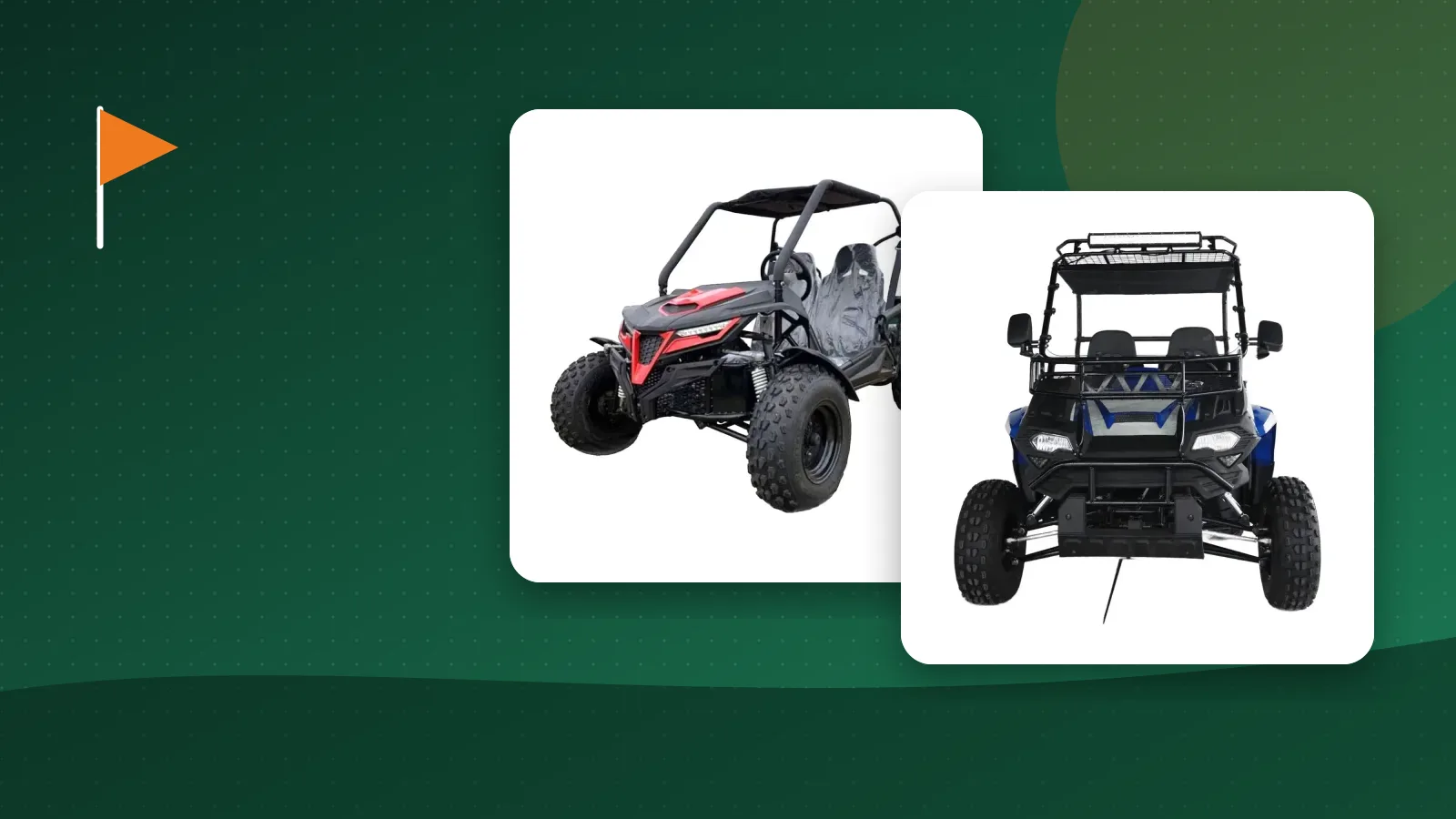
Beach buggies for sale in Australia range from restored classics to modern tubular-frame dune buggies built for sand and farm tracks. If you are searching for one, it helps to know that "beach buggy" is used loosely. Some shoppers want a vintage-styled machine for cruising, some want a purpose-built dune buggy for sand and open dirt, and some simply want a fun off-road vehicle for weekends. This guide explains what a beach buggy is, which kinds you can buy new in Australia, where you can legally drive one and what to check before paying. It also lists the dune buggies we stock, with prices and specifications as published.
What is a beach buggy?
A beach buggy is a light, open vehicle designed to run on sand. Most have a tubular frame, large rear tyres and a rear-mounted engine. The style is closely tied to the dune buggy, and the history is summarised in the dune buggy article on Wikipedia. The light weight and big tyres let them float over soft ground that stops a normal vehicle.
In everyday shopping, "beach buggy" and "dune buggy" are used for the same kind of machine, and we group our models under dune buggies. If you want the longer comparison with side-by-sides and quads, read our dune buggy buying guide and our beach buggy for sale guide.
New beach buggies we stock
We stock the Trailmaster range, which is built for Australian conditions and sold ready for farms, tracks and weekend runs. The Trailmaster Cheetah 175cc Dune Buggy is $4,557. The Trailmaster Cheetah 300cc Dune Buggy is $5,879, and the Trailmaster Challenger 200 Buggy is $6,223. All prices include GST. Our Trailmaster brand page lists the range, and our Cheetah guide compares the two Cheetah engines in detail.

The engine size is the main difference you will see on the spec sheet: 175cc, 200cc and 300cc. A larger engine gives more pulling power in soft sand and on hills, but it also costs more and uses more fuel. A smaller engine is cheaper to buy and run and is usually plenty for flat beach tracks and farm work.
Side-by-side alternatives for sand
Not everyone wants a single-seat or tandem dune buggy. If you need to carry a passenger and gear, a side-by-side layout may suit better. The Kayo S150 Side by Side Buggy is $4,213, and our side-by-sides and UTVs category has larger machines. They are heavier than a dune buggy and are generally better on firm dirt than deep sand, so match the type to your terrain.
Where can you drive a beach buggy in Australia?
This is the most important question, and the answer is "it depends". A beach buggy is a recreational off-road vehicle. You can drive it on private land with the owner's permission. Driving on public beaches, dunes and reserves is restricted in many places, and some areas ban vehicles entirely to protect wildlife and dunes. Rules differ by state, council and park, and some beaches need a permit. Before you buy, read the access rules for the places you plan to drive. The NSW National Parks website is a good example of how access rules are published for parks and reserves, and other states have their own agencies. Do not assume any beach is open to vehicles.
Road registration is another matter. A buggy built for off-road use is not automatically legal on public roads, and registration rules vary by state. Ask your state transport authority about any road use before you buy, and treat off-road use on private land as the safe assumption.
Questions to ask before you buy
- New or used? A new buggy comes with known history. A used one can be cheaper but needs a careful inspection.
- Engine and gearbox: ask how the transmission works, whether it has reverse and what servicing it needs.
- Frame and suspension: look for cracks, rust and worn bushes, particularly at weld points.
- Tyres: paddle-style rear tyres float on sand. Standard knobbies suit dirt.
- Safety gear: a roll cage, seat belts and a flag or whip for visibility in dunes make a difference.
- Parts and service: make sure you can get spare parts, and check that the seller will still be there next year.
- Transport: confirm how you will move the buggy to the beach or track.
Driving on sand: a few basics
Soft sand is hard work for an engine and tyres. Lower tyre pressure helps the tyre spread out and float, but pressure must be restored for hard ground. Keep momentum on soft sections, avoid sudden turns that dig in, and stay off wet sand near the tideline where the surface can change quickly. Check the tide times on the Bureau of Meteorology site before a beach trip. Carry water, a recovery strap, a shovel and a way to call for help. Never drive over vegetated dunes, which are fragile and protected in many places.
Safety gear for the driver
Wear a helmet and eye protection, because sand and dust are constant. Closed shoes and gloves protect against flying debris. Use the seat belt where fitted and never exceed the number of seats. Children should only ride in machines sized for them. If you want a machine for children, see our kids buggies.
Moving and storing a beach buggy
A buggy needs a trailer or a ute with a proper ramp. Our trailers and tie-downs category has transport gear, including a folding ATV ramp listed at $805 and rated for 680 kg. Rinse the buggy after every beach trip. Salt and sand corrode metal and wear moving parts, so clean the underside, flush the brakes and keep the air filter clean. Store the buggy under cover.
Costs beyond the purchase price
The sticker price is only part of the cost of owning a beach buggy. Budget for a helmet and goggles, tie-downs and a trailer or ramp, and a recovery strap and shovel. Fuel is a running cost, and a buggy that works hard in soft sand uses more of it than one cruising on firm tracks. Tyres wear faster on abrasive sand, and brakes and bearings need more frequent cleaning after salt exposure. Set aside a small annual budget for servicing and spare parts, and you will avoid unpleasant surprises.
If you plan to use the buggy near the coast, think about corrosion. Salt air and spray attack steel, so rinse the buggy with fresh water after each trip, dry it well and consider a light coating of rust inhibitor on exposed metal. Check electrical connections, which can corrode quickly. A buggy that is cared for after every trip lasts years longer than one that is parked wet.
Finding the right place to ride
Look for private property with owner permission, licensed off-road parks and designated vehicle areas. Many councils and state agencies publish maps of where vehicles are allowed, and some areas require a day or annual permit. Respect closures, especially during bird nesting seasons, when beaches may be closed to protect wildlife. Stay on marked tracks, take your rubbish home and give walkers and other beach users plenty of room. Responsible riders keep these areas open to everyone.
Why buy new rather than used?
A used beach buggy can be cheaper, but it often comes with unknown history and uncertain parts availability. A new buggy comes with defined specifications, a clear model name and a seller you can ask questions of. If you do look at used machines, inspect the frame for cracks, check the engine for leaks and smoke, look at the tyres and suspension for wear and ask for service records. For used golf carts, see our used golf carts range, which is a separate category.
Insurance and registration questions
Ask your insurer whether your home policy covers an off-road vehicle, because many do not. Some owners take out separate cover, especially for expensive buggies. If you plan any road use, ask your state transport authority about registration, lights and inspection rules before you buy, since the requirements differ between states and a buggy built for off-road use may not qualify. Getting these answers first prevents a costly surprise later.
Buying a beach buggy from us
We list the price you pay in Australian dollars including GST. We confirm stock and freight to your postcode before you pay. You can pay by bank transfer (Osko or EFT), PayID or crypto, with a 10% discount applied automatically when you choose crypto at checkout. Orders over $1,000 ship free to major metro and depot corridors, a flat $95 freight charge applies below that, and the minimum order is $250. Buggies can arrive partly assembled, so read the assembly notes on each page. Call +61420128746 if you want help choosing between engine sizes.
Bottom line
Beach buggies for sale in Australia come in many shapes, but the buying questions are the same: what engine size, what terrain, how will you move it and where can you legally drive it. Our Trailmaster Cheetah and Challenger dune buggies give you a new, supported option from $4,557, and the Kayo S150 offers a side-by-side alternative. Check the access rules for your favourite places first, then choose the machine that fits.


