Brand guides · 9 min read
Trailmaster Cheetah in Australia: Models, Engines and What to Check
A plain-English guide to the Trailmaster Cheetah dune buggy in Australia: the 175cc and 300cc versions, who they suit and what to check before you buy.
By the Buggies For Sale team · Updated
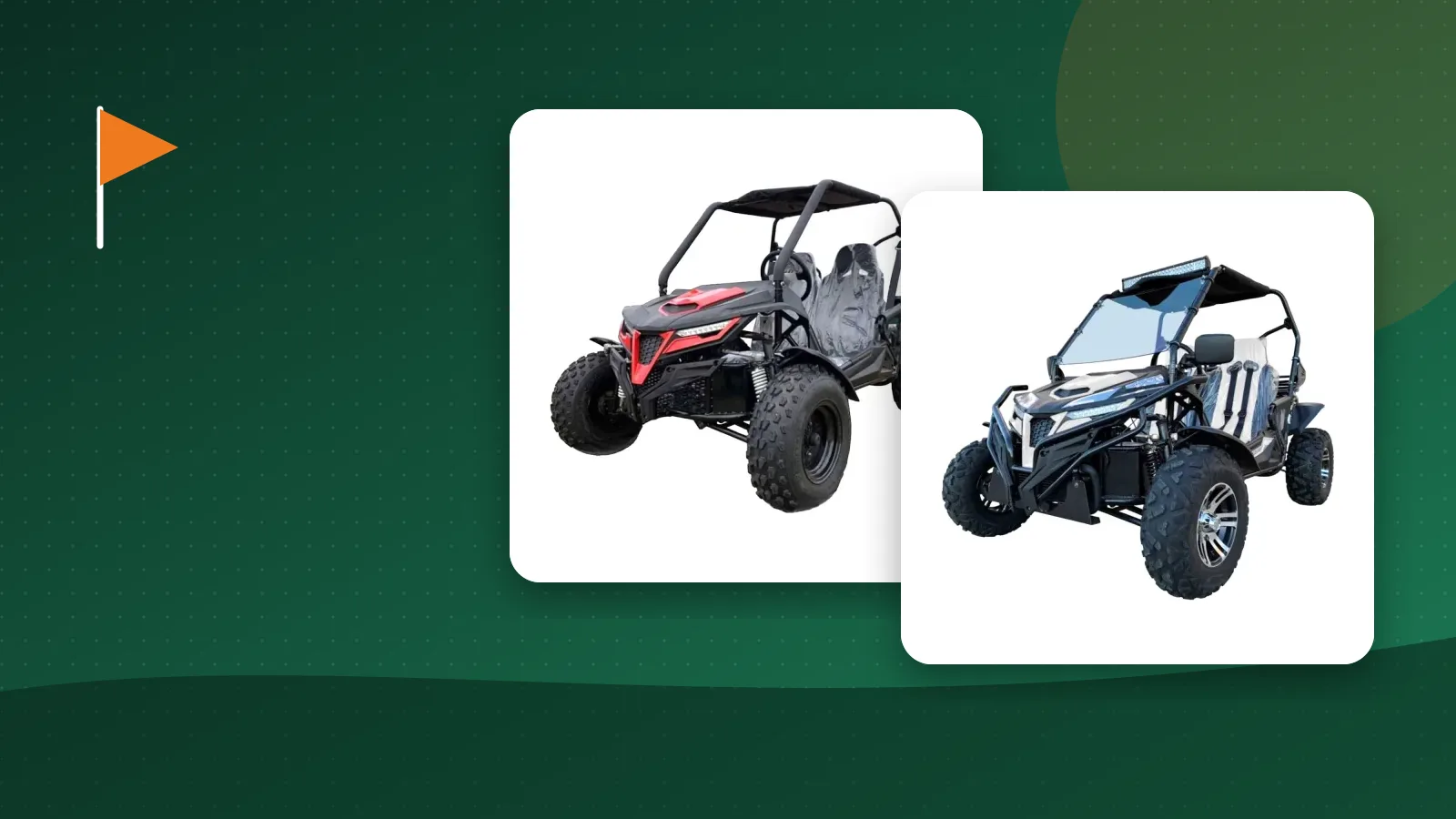
The Trailmaster Cheetah is one of the most recognisable petrol dune buggies sold in Australia. It is a compact two-seat buggy with a tubular roll cage, a petrol engine and chunky off-road tyres, and it is popular with property owners, families and weekend riders who want something more capable than a quad but less expensive than a full-size side-by-side. This guide explains what the Cheetah is, how the 175cc and 300cc versions differ, who it suits and what to check before you buy one.
What is the Trailmaster Cheetah?
Trailmaster is a brand of recreational off-road vehicles that includes mini bikes, go karts and buggies. The Cheetah is the dune buggy in the range. It is a two-seat, rear-engine style buggy built on a steel frame, and it is designed for private land, tracks, sand and paddocks. The general background on this vehicle style is covered in the dune buggy article on Wikipedia.
People search for the same machine under a few names, including Trailmaster Cheetah, Trailmaster Cheetah off road buggy and Cheetah dune buggy. They all point to the same family of buggies. We list the Trailmaster Cheetah 175cc and the Trailmaster Cheetah 300cc, and you can compare every Trailmaster model on our Trailmaster brand page.

Cheetah 175cc or 300cc?
The main choice is engine size. Both versions use a petrol engine, and the difference is how much power you have in reserve.
- Cheetah 175cc: the smaller engine suits lighter use, shorter runs and riders who prioritise a lower price. It is a sensible choice for a hobby farm, a large backyard or an introduction to buggy ownership.
- Cheetah 300cc: the larger engine gives more pulling power, which helps on hills, in soft sand and when carrying a passenger and some gear. It costs more, and it is the better pick if you will use the buggy often or on harder terrain.
If you cannot decide, think about the heaviest load and the steepest slope you expect to handle. A buggy that is only ever lightly worked can use the smaller engine, but a buggy that will climb with two adults on board will feel more relaxed with the larger one.

Who is the Cheetah suited to?
The Cheetah is a recreational and light-duty machine. It suits:
- Property owners who want a quick, fun way to get around paddocks and tracks.
- Families with older teenagers and adults who will ride under supervision.
- Weekend riders heading to private sand dunes or off-road areas where such vehicles are permitted.
- Anyone who wants an off-road buggy that is cheaper and simpler than a side-by-side.
It is not a work vehicle with a tipping tray, and it is not intended for public roads. If you need a load-carrying farm machine, a side-by-side is the better tool, and our side by sides and UTVs page lists the options. The Trailmaster Challenger 200 is another Trailmaster buggy to compare if you want something in between.
What to check before you buy
Buying a buggy online is straightforward if you ask the right questions.
- Assembly: find out whether the buggy arrives assembled, partly assembled or in a crate, and whether any assembly service is available.
- Registration and road use: off-road buggies are generally not road legal. Rules differ by state and territory, so confirm what applies where you live.
- Warranty and parts: ask who handles warranty and where spare parts such as air filters, belts and tyres come from. We list a replacement air filter for Trailmaster 175 to 300 buggies.
- Delivery: confirm the freight cost and delivery time to your postcode before you pay.
- Safety gear: budget for a helmet and any extra protection the riders need.
Running costs and maintenance
A petrol buggy needs regular, basic care. Change the engine oil on the schedule in the manual, keep the air filter clean (especially in dust and sand), check the drive belt or chain, inspect the tyres and brakes before every ride and keep the fasteners tight. Use fresh fuel, and drain or stabilise it if the buggy will sit for weeks. These habits cost little and prevent most breakdowns.
If you ride in sand, rinse the buggy gently afterwards and re-check the air filter. If you ride in mud, clean the underside so dirt does not hold moisture against the frame and fittings.
Safety
Off-road buggies are for private land and permitted areas. Wear a helmet, use the seat belts or harness if fitted, keep passengers inside the roll cage and never carry more people than there are seats. Start slowly on unfamiliar ground, avoid steep side slopes and keep children away from the buggy unless they are old enough and supervised. The Safe Work Australia website has general guidance on vehicle safety on farms, which is worth reading if the buggy will be used on a working property.
Cheetah versus other options
If the Cheetah is on your shortlist, it helps to compare it with a few alternatives. A Kayo S150 side-by-side buggy gives you a side-by-side seating layout. A go kart suits smaller tracks and younger riders, and our go karts range shows the options. For the full picture of dune buggy types, see our dune buggies page and our guide to UTVs, ATVs and dune buggies.
Buying a Trailmaster Cheetah in Australia
We list the Cheetah in Australian dollars including GST, we confirm freight to your postcode before you pay and orders over $1,000 ship free to major metro and depot corridors. If you want help choosing between the 175cc and the 300cc, call 0420 128 746 or message us on WhatsApp and tell us how you plan to use it, where and with how many people.
Fuel, oil and a simple service routine
A petrol buggy is easy to look after if you build a routine. Before the first ride, read the manual, check the engine oil level and fill the tank with fresh fuel. After the first few hours of use, many owners change the oil and check every fastener, because new vehicles settle in. After that, follow the interval in the manual, and shorten it if you ride in dust, sand or mud. A quick walk-around before each ride, looking at tyre pressure, brake feel, steering play, chain or belt tension, lights and any leaks, takes two minutes and prevents most roadside failures.
Fuel goes stale. If the buggy will sit for more than a few weeks, either run the tank low and top it up with fresh fuel before the next ride, or use a fuel stabiliser as directed on the pack. Old fuel is a common cause of hard starting, and it is easy to avoid.
Tyres, brakes and the cage
Buggy tyres are chunky and tolerant, but pressure matters. Too hard and the buggy skips and loses grip, too soft and the tyres can roll off the rim or wear unevenly. Use the pressure printed on the placard or in the manual, and check it cold. Look at the brake pads and the brake fluid or cable regularly, because a buggy that is used on hills depends on its brakes. Inspect the roll cage welds and bolts for cracks or loose fittings after a rough day, and never ride a buggy with a damaged cage.
Transporting and storing the buggy
A dune buggy is bulky, so plan how you will move it. Many owners use a trailer with ramps, a tilt tray or simply drive it to the riding area if it is on the same property. If you load it onto a trailer, secure it with rated tie-downs at several points, and never rely on the handbrake alone. Our loading ramps page lists ramps and tie-down gear. For storage, keep the buggy dry and out of direct sun where possible, because ultraviolet light fades plastic and cracks rubber over time.
Accessories and upgrades worth considering
Most owners add a few things after the first ride. A good helmet and eye protection are the first priority. After that, popular additions include a spare air filter, a basic tool kit, a tyre repair kit and, in dusty regions, a pre-filter. Ask us before you buy any accessory that attaches to the frame or engine, so that you know it suits your model. Our off-road parts and accessories page shows what we list.
Questions first-time buyers ask
A few questions come up again and again. Can two adults ride it? The buggy has two seats, but you should always check the load rating and the manufacturer's guidance for the exact model. Is it suitable for children? Only with supervision and when the child is old enough and large enough for the vehicle, and always with a helmet. Does it have reverse? Check the specification for the exact model. Can I tow with it? Do not assume so, because most recreational buggies are not rated for towing. When in doubt, ask us before you order and we will check what we can before you pay.
Bottom line
The Trailmaster Cheetah is a straightforward, recreational dune buggy that suits private land, sand and light property use. Choose the 175cc for lighter use and the 300cc if you want more power in reserve, and always check assembly, delivery, parts support and local rules before you order.
Take your time with the decision and write down what you need the buggy to do. A short list of the terrain, the number of riders and the budget will usually make the choice between the two engines clear. If you are still unsure, compare the specification tables on both product pages side by side, because the details of engine size, price and included features sit there in one place.
