Buying guides · 9 min read
Caddies for Golf: Electric, Remote and Push Caddy Options Compared
What a golf caddy is today, how electric and remote caddies differ from push trolleys, and which features and models matter for Australian golfers.
By the Buggies For Sale team · Updated
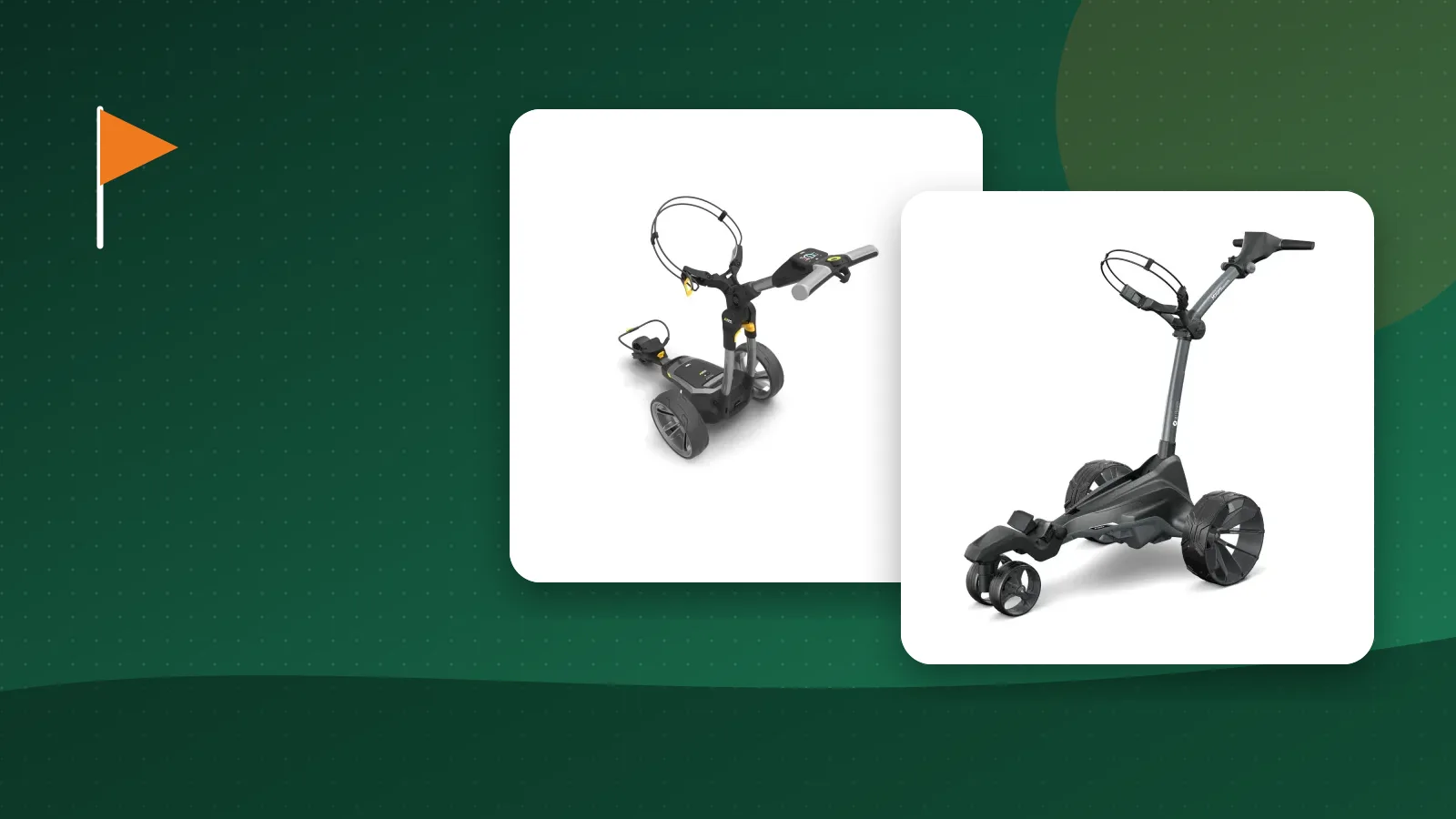
The word caddy has two meanings in golf. Traditionally, a caddie is a person who carries your clubs and offers advice. Today, many golfers also use the word for a wheeled caddy, a push or electric trolley that carries the bag for you. This guide looks at the modern caddy for golf: how electric, remote and push caddies differ, what features matter and how to choose one that suits your course and budget.
Caddie or caddy?
A caddie is a person who assists a golfer during a round. The background is covered in the caddie article on Wikipedia. A caddy, as most golfers now use the word, is a machine that carries the bag: a push trolley, an electric trolley or a remote-control buggy. In this guide we use caddy in the second sense.
The main types of golf caddy
- Push caddies: manual trolleys that you push. They are the lightest and cheapest. See our push and pull trolleys.
- Electric caddies: trolleys with a motor and a rechargeable battery. You steer, and the motor does the pushing. See our electric golf buggies.
- Remote caddies: motorised trolleys controlled by a handset or set to follow you, so you walk hands-free. See our remote control golf buggies.
- Ride-on caddies: seated or stand-up vehicles that carry you and the bag. See our golf scooters and our guide to single seat golf carts.
Electric caddies explained
An electric caddy is a motorised trolley. A motor drives the wheels, a speed control sets the pace and a battery stores the power. Many models fold for the boot, and most have a distance or speed setting that lets the caddy move ahead at a steady pace. The PowaKaddy CT6 is listed with a 230W motor, a 30V system and 8 inch wheels, and the Motocaddy S1 DHC is another popular electric caddy in our range.

The main benefits are saved energy, especially on hilly courses, and consistent pace. The trade-offs are cost, weight and the need to charge the battery. Our guide to lithium versus lead-acid batteries explains why most modern electric caddies use lithium.
Remote control caddies
A remote caddy takes the idea further. You control it with a handset or let it follow, so you walk without touching it. Models such as the Motocaddy M7 GPS Remote and the Stinger SG-4 Crossover add remote operation and extra features. Remote caddies cost more, and they suit golfers who want the most hands-free round. Our guide to remote control golf buggies compares them in detail.

Features to compare
- Battery: capacity and chemistry affect range and weight. Lithium is lighter and charges quickly.
- Range: check how many holes the battery will cover, with hilly courses using more power.
- Fold and weight: look at folded size and weight so you can lift it into a boot.
- Controls: simple handle controls suit most golfers, and remote or GPS features suit those who want extras.
- Bag fit: confirm the straps suit your bag.
- Wheels and terrain: larger wheels handle rough ground better.
- Brakes and slope control: downhill braking keeps the caddy under control.
- Accessories: umbrella, drink and phone holders add convenience.
Choosing a caddy for your game
- If you play on flat courses and like to walk: a push caddy is enough, and it is the cheapest.
- If your course is hilly or you want to save energy: choose an electric caddy.
- If you want the most relaxed round: consider a remote caddy.
- If you cannot walk a full round: consider a ride-on option and check your club's rules.
Our guide to electric versus push golf buggies goes further on the first two options.
Battery care
Charge the battery after each round, use the supplied charger, store the caddy somewhere dry and avoid leaving the battery fully discharged for long periods. If you store the caddy for winter, follow the manufacturer's storage advice. Treat the battery as the part that decides how long the caddy lasts.
Buying a golf caddy in Australia
We list push, electric and remote caddies in Australian dollars including GST, confirm freight to your postcode before you pay and deliver Australia-wide. Orders over $1,000 ship free to major metro and depot corridors. If you are unsure which type suits your course, call 0420 128 746 or message us on WhatsApp with the course, your budget and how you like to play.
Remote and follow-me features explained
Remote caddies differ in how they work. Some are steered with a handheld remote, so you control speed and direction from a distance. Others use a follow feature that tracks a device you carry, so the caddy trails behind you. GPS-equipped models add course distance information. These features add cost and some complexity, and they are worth paying for only if you will use them. Read the specification for how the remote works, how far it reaches and how the caddy behaves if the signal drops.
Battery size, weight and range
The battery is the heart of an electric caddy. A larger battery gives more range but adds weight, and a smaller battery is lighter but may not cover a full round on a hilly course. Think about how many holes you play and how hilly the course is, and choose a battery with some margin. Lithium batteries are lighter and charge quickly. Always use the supplied charger, and charge after each round so the battery is ready next time.
Using an electric caddy on the course
An electric caddy changes how you play. Set the speed to match your walking pace and use the distance setting if the model has one. On slopes, use the braking or downhill control, and never let the caddy run unattended on a steep fairway. Keep it away from bunkers and water, and follow your club's rules about where caddies may go. Practise folding and unfolding it at home so you are not fumbling at the first tee.
Getting the most from your caddy
Small habits make a difference. Wipe the wheels after wet rounds, keep the battery contacts clean and dry, store the caddy indoors and check the tyres or wheels for wear. Keep the manual and the charger together. If the caddy has a removable battery, store the battery away from extreme heat or cold. These steps help the battery last and keep the caddy reliable.
Accessories for a more comfortable round
Common accessories include an umbrella holder, a drink holder, a phone or GPS holder, a scorecard holder and a cooler bag. A rain cover protects the bag and the controls in wet weather, and a travel bag protects the caddy in transit. We list accessories for several brands. Our golf cart accessories page shows what is available, and the fits line on each product tells you which caddy it suits.
Comparing brands
The brands we list, including PowaKaddy, Motocaddy, Stinger, MGI, PowerBug, QOD and Concourse, differ in design, battery system and features. Rather than choosing by brand alone, compare the same lines in each specification table: motor, battery, fold size, weight, bag fit and warranty. The product pages show those lines side by side, and our electric golf buggies page lets you compare prices in Australian dollars including GST.
A simple way to choose
If you are unsure which type of caddy suits you, start with the course. On a flat, short course, a push caddy does the job at the lowest cost. On a hilly course, an electric caddy takes the strain. If you want the most relaxed round and are happy to pay for it, a remote caddy is the answer. Then consider your budget, how often you play, how you will transport the caddy and how you will charge it. Choose the simplest option that meets your needs, because extra features that you do not use add cost and weight.
Course etiquette with a caddy
Good etiquette keeps clubs happy about caddies. Keep the caddy away from tees, greens and the edges of bunkers, park it behind or beside the green and not on it, and follow any local rule about where caddies may travel. Do not leave it running unattended, and make sure the brake is on when you stop on a slope. If your caddy is electric, keep the speed at a pace that does not push you or the trolley ahead of other players. Following these simple courtesies protects the course, keeps play moving and means clubs are more likely to welcome motorised caddies in the future.
Looking after your investment
A good caddy lasts for years if you look after it. Keep it clean and dry, charge the battery regularly, store it away from extreme heat and cold, and check the wheels, straps and fold mechanism before each round. Keep the receipt and the manual, and note the date of purchase in case you need warranty service. These simple habits protect your investment and keep the caddy ready whenever you want to play.
Bottom line
A modern golf caddy can be a simple push trolley, a motorised electric caddy or a hands-free remote caddy. Match the type to the hilliness of your course, your fitness and your budget, and compare battery, fold size and bag fit before you buy.
If you are unsure, start with the course you play most. A flat course favours a push trolley, a hilly one favours electric and a long, demanding one favours remote or ride-on. Choosing for the toughest round you play, not the easiest, usually gives the best long-term result.
